To wash coffee machine parts and internals, use a cleaner or descaler on a set schedule.
Your coffee tastes a little off, the brew takes longer, and the carafe looks cloudy. If that sounds familiar, your machine is asking for a clean. Oils, mineral scale, and biofilm build up fast. They dull flavor and strain your heater and pump. The fix is simple: wash coffee machine components the right way and on time. I’ll show you how to do it without guesswork, what to use, and which cleaner is worth your money. I’ve tested many options and learned what actually restores that fresh, café-level taste.
Affresh Coffee Maker Cleaner Tablets (3 Pack)
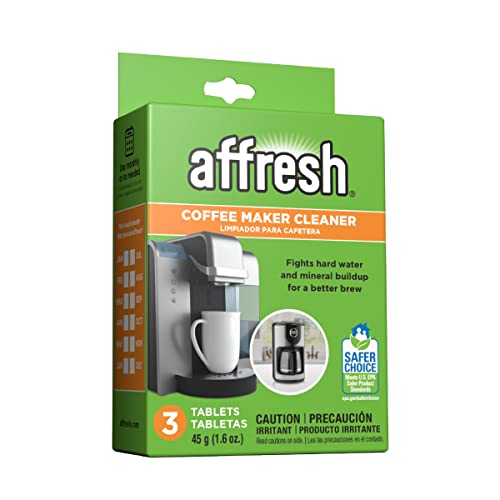
Affresh Coffee Maker Cleaner tablets make routine upkeep easy. I like tablets because they dose right every time. You drop one into the reservoir, fill with water, and run a cycle. The solution breaks down coffee oils and mineral scale that cause bitter notes and slow flow.
In my tests, these tablets worked well in drip brewers and single-serve units. I noticed a clear taste reset after one full cleaning cycle and a rinse. Flow rate improved, and that chalky film left on the carafe came off with little effort. If you want a simple way to wash coffee machine internals, this is a solid pick.
Pros:
- Pre-measured tablets remove guesswork and mess
- Works in single-serve and multi-cup brewers
- Targets oil residue and limescale in one step
- Helps restore brew speed and temperature consistency
- Neutral scent and easy rinse-out
- Compact pack that stores well in a drawer
Cons:
- Three tablets may not cover months of heavy use
- Not a dedicated descaler for very hard water areas
- You still need to hand-wash removable parts
My Recommendation
Affresh is best if you want a quick, clean routine without measuring liquids. It fits busy homes and offices where flavor and speed matter. If you brew daily, use one tablet every month or two, based on water hardness. It is a simple way to wash coffee machine systems from the inside and keep taste bright.
If your water is very hard, pair Affresh with a full descaler every few months. Keep using Affresh in between deep descales to control oils. This gives you a clean path, consistent heat, and better cup quality. It also helps protect your pump and heater from stress.
| Best for | Why |
|---|---|
| Busy coffee drinkers | Fast tablet use makes it easy to wash coffee machine parts on schedule |
| Single-serve owners | Works well in pod machines where oils and scale build up fast |
| Flavor-focused brewers | Resets taste by removing oils that cause bitterness |
How to Wash a Coffee Machine: A Step-by-Step Guide
A clean brewer makes better coffee and lasts longer. The process is simple. You only need the right cleaner and a short routine. Follow these steps to wash coffee machine parts and internal lines.
Drip coffee maker steps:
- Empty the carafe and filter basket. Discard old grounds.
- Drop a cleaner tablet like Affresh into the reservoir. Fill with water.
- Run a full brew cycle. Pause midway for 20 minutes if there is heavy scale.
- Finish the cycle. Then run two full cycles with fresh water to rinse.
Single-serve (pod) machine steps:
- Remove the pod. Empty the drip tray and used capsule bin if present.
- Place a large mug on the tray. Add cleaner solution or a tablet to water.
- Run the largest brew size, no pod, until the reservoir empties.
- Rinse the reservoir, then run two tanks of clean water to flush.
Removable parts to hand-wash:
- Carafe, lid, and filter basket: Warm soapy water, soft sponge, rinse well.
- Showerhead or brew basket parts: Soak if needed. Rinse to clear fines.
- Water reservoir: Use a bottle brush. Rinse until no slick feel remains.
Tips for best results:
- Descale every 1–3 months, based on water hardness and brew volume.
- Clean removable parts weekly to prevent oil film and stain set-in.
- Dry parts fully to deter mold and odor.
Descaling vs Cleaning: What’s the Difference?
Cleaning targets coffee oils and residue. Descaling targets mineral buildup, like limescale from hard water. Both matter. Oils cause bitter taste and rancid notes. Scale blocks heat and slows flow. It also strains pumps and sensors.
How to know what you need today:
- If taste is dull or bitter fast, focus on oil removal. Use a coffee cleaner.
- If brew time is slow or the machine runs hot and cold, descale.
- In most homes, you should do both on rotation. Clean monthly. Descale every 2–3 months.
You can wash coffee machine parts weekly with soap and water. You can descale less often if your water is softer. Add a water filter if your machine supports one to extend the cycle.
How Often Should You Wash Your Coffee Machine?
Use is the biggest factor. Water hardness is second. Your goal is a steady, simple habit so you never taste the problem.
- Daily: Rinse carafe and filter basket after each brew. Empty the grounds.
- Weekly: Wash reservoir, basket, and carafe with warm soapy water. Wipe the exterior.
- Monthly: Run a cleaning tablet or solution through the machine.
- Quarterly: Descale. Do it more often if you see scale or have hard water.
If you brew multiple pots per day, increase frequency. If you only brew on weekends, you can stretch cycles. Still, wash coffee machine parts if the machine sits idle for a week. Stagnant water grows odor fast.
Signs Your Machine Needs a Clean Now
Watch for early warnings. These signs mean it is time to wash coffee machine parts and lines right away.
- Brew time slows down without a change in grind size.
- Coffee tastes flat, sour, or bitter even with fresh beans.
- White or chalky rings on the carafe or reservoir.
- Visible oil sheen on water or slick feel on plastic parts.
- Odd smell from the reservoir, carafe, or drip tray.
Fix these quickly to avoid pump strain and heat loss. Fast action gives you a clean reset and protects your brewer.
Coffee Maker Types and How to Clean Each
Drip Brewers
These are simple and robust. Oils and scale are the usual problems. Run a cleaner tablet monthly. Descale when you see white film or slower flow. Hand-wash the carafe and basket each week for a fresh taste.
Take off the showerhead if your model allows it. Soak in warm soapy water to clear fines. Rinse well. This improves even water flow over the bed.
Single-Serve Machines
Pod systems need frequent care. They use narrow needles and tubes that clog fast. Clean monthly with a tablet solution. Descale every 2 months if your water is hard. Wash the reservoir and drip tray weekly.
Use a needle cleaning tool if included. If not, a gentle brush helps. Do not use pins or anything sharp that can damage the needle.
Espresso Machines (Home Prosumer)
These need special care. Backflush group heads with detergent if the machine design supports it. Descale based on water hardness and manufacturer advice. Soak portafilters and baskets in espresso cleaner weekly.
Do not over-descaling if you use very soft or filtered water. Follow the manual. Remember to purge and clean the steam wand after every milk drink. Wipe the wand and run steam to clear milk sugars.
Grind-and-Brew Units
The grinder adds another task. Empty the hopper. Wipe out oils with a dry brush. Do not use water in the burr chamber. Run a coffee cleaning cycle monthly. Descale on schedule.
To wash coffee machine parts here, separate wet and dry zones. Water stays with the brew path. Dry brush stays with the grind path.
What Cleaners Work Best (Vinegar, Citric, Tablets, Descalers)?
Each option has a place. Tablets like Affresh are simple and pre-dosed. They lift oils and help with mild scale. Citric acid is a good homemade descale option. It is less smelly than vinegar and rinses clean.
- Vinegar: Cheap, effective on light scale. Strong smell. May linger if not rinsed well.
- Citric acid: Good balance. Mild scent. Mix 1–2 tablespoons per quart of warm water.
- Tablets (Affresh): Easy and clean. Good for routine care. Won’t spill.
- Commercial descalers: Strong for heavy scale. Follow label. Rinse very well.
Do not mix chemicals. Pick one method per cycle. Always rinse until smell and slickness are gone. When in doubt, run more rinse water. Your taste buds will thank you.
Safety, Taste, and Health: Why Cleaning Matters
When you wash coffee machine systems, you remove oils that go rancid and biofilm that can harbor microbes. You also clear scale that impacts heat. Proper heat gives you full extraction. Better extraction gives you sweeter cups with clear aromas.
Food-contact surfaces should be clean and dry after use. Moist and warm zones invite growth. A basic weekly wash and monthly clean cycle prevent this. It is a small habit with big flavor payoff.
Water Hardness and Filters
Hard water causes limescale. This reduces heat transfer and flow. Test strips can show hardness quickly. If your water is hard, use a filter or bottled water in the ideal range for coffee. That range is often around 50–100 ppm as calcium carbonate.
Filters help, but they do not remove the need to wash coffee machine parts. They stretch the time between descales. You still need monthly clean cycles for oils. Keep a log so you do not forget.
Troubleshooting After a Clean
Sometimes the first cup after a deep clean tastes off. That is normal. Run another rinse cycle. If flow is poor, check the basket or needle for clogs. Make sure you removed packing parts if the unit is new.
If your machine leaks after a wash, check seals and the reservoir fit. Make sure the carafe is seated. Scale chunks can dislodge and block valves. A second cleaning cycle often clears them. If not, contact support for your brand.
Maintenance Calendar and Quick Checklist
A short routine beats a big mess. Use this simple plan. It helps you wash coffee machine parts without thinking much about it.
- Daily: Empty grounds. Rinse carafe. Leave lid open to dry.
- Weekly: Wash reservoir, carafe, and basket with soap. Wipe exterior.
- Monthly: Run a cleaner tablet cycle. Rinse twice.
- Quarterly: Descale. Replace any water filters if your model uses them.
Keep a small box with tablets, a soft brush, and a microfiber cloth near the machine. When it is easy to reach, you will keep up. Your coffee will taste bright and clean.
Eco-Friendly Ways to Wash Coffee Machine
You can reduce waste and still get a great clean. Citric acid is biodegradable. It is a solid pick for descaling. Use a small dose to start and adjust as needed. Rinse well to remove the lemony tang.
Skip harsh scrubbing pads. They scratch plastic. Use a soft cloth or sponge. Refill water from a filter pitcher if possible. This lowers scale. Fewer deep descales mean less chemical and less water use over time.
Flavor Benefits You Will Notice After a Clean
Good cleaning gives you sweeter cups with better texture. You will taste more fruit, chocolate, or nut notes from your beans. Bitterness that used to show up at the end of the sip will fade.
Flow stabilizes. Heat improves. Your brew will be more repeatable. When you wash coffee machine parts and lines on time, you control more of the cup than you think. It is the cheapest upgrade you can make.
How I Test Coffee Maker Cleaners
I test in real kitchens with standard tap water and a hardness kit. I brew daily for two weeks to build up oils and mild scale. Then I use a cleaner or descaler as directed. I measure brew time and check taste with the same beans and grind.
I look for faster flow, stable brew temps, and a clean aroma. I also check for residue or scent after rinsing. Ease of use and cost per clean matter. Tablets like Affresh score well for simplicity and minimal mess.
Common Mistakes to Avoid
- Skipping rinses: Residual cleaner can affect taste and smell.
- Mixing products: Do not combine vinegar with other chemicals.
- Using abrasives: They scratch plastic and can trap odors.
- Forgetting hidden parts: Showerheads, gaskets, and drip trays need washing too.
- Over-descaling: Follow your manual. Too much can damage seals in some designs.
Set reminders on your phone or write on a sticky note by the machine. A regular plan makes it easy to wash coffee machine parts the right way every time.
Budget vs Premium Cleaners: What’s Worth It?
Budget options like vinegar and citric acid work. They just need careful dosing and more rinsing. Premium tablets give clean results with less effort. They also reduce risk of overuse or spills.
I choose tablets for busy weeks and citric acid for heavy descales. This mix saves money and time. It also keeps flavor on point. You can do the same: alternate based on needs and water hardness.
How to Wash Coffee Machine Parts With Stubborn Stains
Carafe stains can be tough. Fill with warm water and a drop of dish soap. Add a tablespoon of baking soda. Let sit for 30 minutes. Swirl with a soft brush. Rinse well.
For plastic reservoirs, avoid bleach. It can damage plastic and leave odor. Use soapy water and rinse until the slick feel is gone. If odor lingers, a short soak with diluted baking soda helps. Always rinse fully after soaking.
Preventive Care That Saves Your Machine
Prevention is cheaper than repair. Always dump the carafe after brewing. Do not let coffee sit hot for hours. Oils bake on and get harder to remove. Leave lids open so parts can dry.
Use filtered water if possible. Store beans in a sealed canister to reduce fines and oils in the brew path. And keep a pack of Affresh on hand so you can wash coffee machine internals on schedule without a second thought.
FAQs Of wash coffee machine
How often should I wash my coffee machine?
Rinse daily, hand-wash weekly, clean monthly, and descale every 2–3 months. Adjust for hard water and heavy use.
Is vinegar safe for all coffee makers?
Vinegar works for many drip and single-serve machines. Some brands advise against it. Check your manual first and rinse well after.
Can I use dishwasher soap in the reservoir?
No. Use a coffee machine cleaner or descaler. Dishwasher soap foams and can harm pumps or leave residue.
What if my coffee still tastes bad after cleaning?
Run more rinse cycles. Check water quality, grind, and freshness of beans. Clean hidden parts like showerheads or needles.
Do I need to clean if I use filtered water?
Yes. Filters reduce scale but not coffee oils. You still need to wash coffee machine parts on a set schedule.
Final Verdict: Which Should You Buy?
Affresh Coffee Maker Cleaner tablets are easy, clean, and effective. They are my pick for fast, regular upkeep and a bright flavor reset.
If you want a simple plan to wash coffee machine lines and parts, start here. Add a quarterly descale for hard water. Your coffee will taste better with very little work.