Learning how to cook sushi rice at home changed the way I enjoy Japanese food. Before that, my rice was either too mushy or too dry. Sushi rice looks simple, but small mistakes can ruin the texture and taste. After many tries in my own kitchen, I finally found a method that gives consistent results without stress.
In this guide, I will share my real experience with cooking sushi rice at home and how one smart kitchen appliance made the process much easier. This is not a chef’s theory. This is practical, everyday cooking that anyone can follow.
Why Learning How to Cook Sushi Rice Matters in Daily Life
Knowing how to cook sushi rice is useful even if you do not make sushi every day. This type of rice works well for rice bowls, poke bowls, and simple meals with fish or vegetables. When cooked correctly, sushi rice is soft, slightly sticky, and balanced in flavor. Cooking it at home saves money, reduces food waste, and lets you control ingredients like sugar and salt.
How to Cook Sushi Rice Using a Modern Rice Cooker
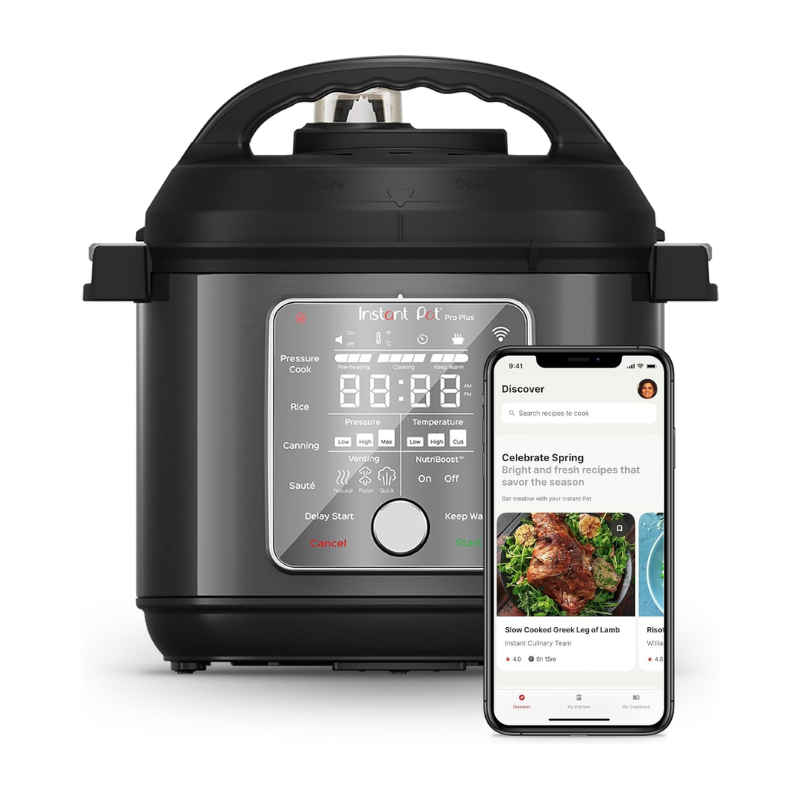
I tested different methods, including stovetop cooking. While that works, it needs close attention. Using a smart rice cooker removed the guesswork and gave me repeatable results every time. Below is the appliance I personally used.
Instant Pot Pro Plus Wi-Fi Smart Rice Cooker for How to Cook Sushi Rice
how to cook sushi rice perfectly at homeProduct Overview
When I first tried cooking sushi rice in the Instant Pot Pro Plus, I was surprised by how consistent the texture was. I rinsed the rice, added the right water ratio, and selected the rice setting. The pressure and heat stayed stable, which is important for sushi rice. The grains came out tender, glossy, and evenly cooked. The keep-warm feature also helped when I needed extra time to prepare other ingredients.
Quick Product Info
| Feature | Details |
|---|---|
| Capacity | 6 Quart |
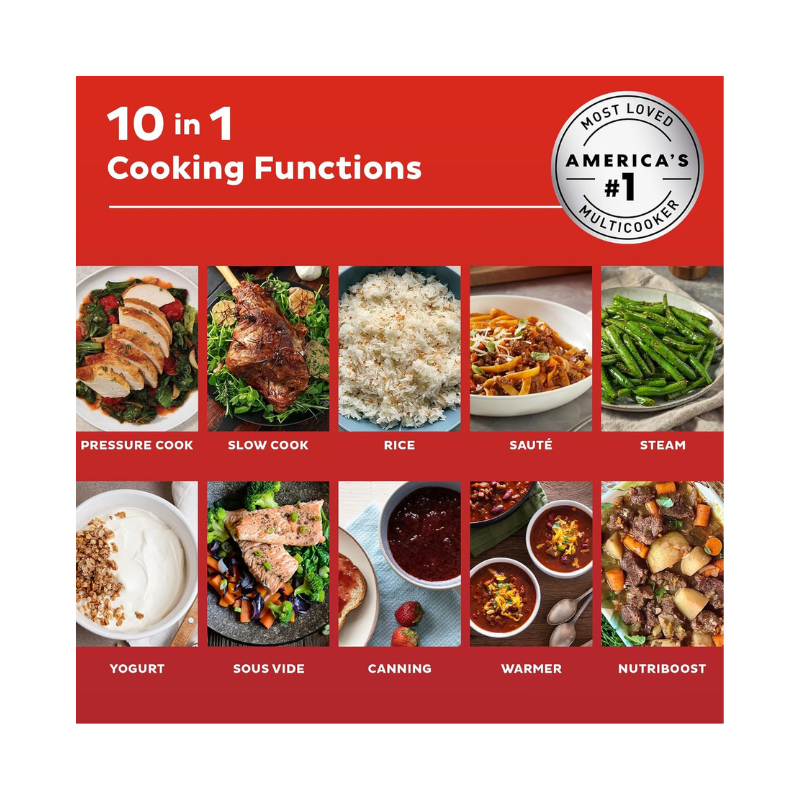
| Functions | 10-in-1 Multi Cooker |
| Rice Cooking | Dedicated Rice Mode |
| Smart Control | Wi-Fi App Support |
| Inner Pot | Stainless Steel |
| Power | Electric |
Advantages
- Consistent rice texture every time
- Easy rice setting removes guesswork
- Large capacity for family meals
- Keep-warm feature helps timing
Limitations
- Takes counter space
- App features are optional, not necessary
Our Verdict
If you want an easy and reliable way to learn how to cook sushi rice, this cooker makes the process stress-free. It does not rush or overcook the rice, which is key for sushi-style dishes.
Best For
This appliance is best for home cooks who want reliable rice without watching the stove. It suits beginners and busy people who still want proper sushi rice texture.
how to cook sushi rice perfectly at homeStep-by-Step: How to Cook Sushi Rice the Right Way
After many tests, this is the method that worked best for me.
First, measure the sushi rice and rinse it gently under cold water. I rinse until the water runs mostly clear. This step removes excess starch and prevents gumminess.
Next, let the rice rest in a strainer for about 10 minutes. This helps the grains absorb moisture evenly.
Then, add the rice to the cooker with water. I use a 1:1.1 rice-to-water ratio. Too much water will ruin the texture.
Select the rice cooking mode and let the cooker do its job. Do not open the lid during cooking.
Once finished, let the rice rest for another 10 minutes on keep-warm. This final step improves texture.
Finally, gently fold in seasoned rice vinegar using a wooden spoon. Do not mash the rice. Use light cutting motions instead.
Common Mistakes When Learning How to Cook Sushi Rice
From my experience, skipping rinsing is the biggest mistake. Another common issue is adding too much water. Also, stirring hot rice aggressively breaks the grains. Small details make a big difference when learning how to cook sushi rice correctly.
Frequently Asked Questions About How to Cook Sushi Rice
What type of rice should I use for sushi rice?
Short-grain Japanese rice works best because it becomes sticky without turning mushy.
Can I cook sushi rice in a regular rice cooker?
Yes, as long as the cooker maintains steady heat and timing.
Do I need sugar and vinegar for sushi rice?
Traditional sushi rice uses rice vinegar, sugar, and salt, but you can adjust to taste.
Why does my sushi rice turn hard after cooling?
Cold air dries the rice quickly. Cover it with a damp cloth if not using right away.
Is sushi rice healthy for daily meals?
In moderation, yes. It pairs well with protein and vegetables.

how to cook sushi rice perfectly at homeConclusion: Making Sushi Rice at Home With Confidence
Learning how to cook sushi rice is not about fancy tools or complex steps. It is about control, timing, and consistency. From my experience, using a reliable rice cooker makes the process calm and repeatable. The Instant Pot Pro Plus helped me get the same soft, sticky rice every time without stress.
Cooking at home also reduces packaging waste and encourages mindful eating. Once you master this skill, sushi rice becomes a flexible base for many meals. If you want more kitchen guides, you can read our related article here: