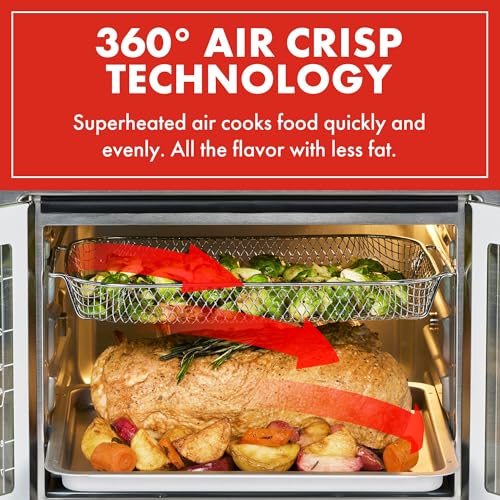
An air fryer is a compact convection oven that crisps food with fast hot air.
You love the crunch of fries and wings. You want less oil, less mess, and less time. An air fryer answers that need. It cooks fast. It uses little to no oil. It makes food crisp without deep frying. It fits on a counter and cleans up with ease. If you have asked what is an air fryer and how does it work, you are in the right place. I will break it down in plain words and share expert tips you can use today.
Ninja AF141 5QT 4-in-1 Air Fryer

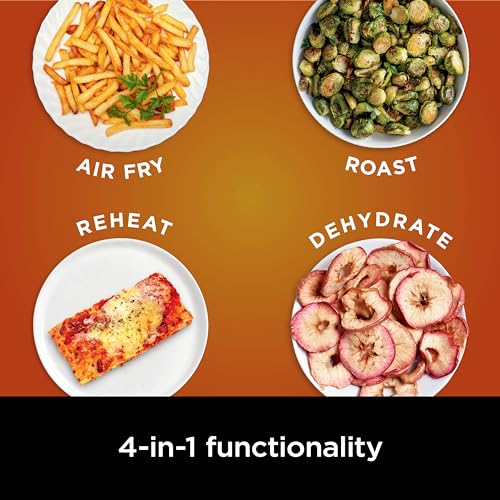
The Ninja AF141 is a smart pick for small homes. It has a 5-quart basket and a strong fan. It can air fry, roast, reheat, and dehydrate. The max temp hits 400°F, which works for most fry jobs. The nonstick basket and crisper plate help heat flow. They also make clean up fast.
I like the control layout and the fast preheat. You can load up to 4 pounds of fries, which is a solid batch. The heat is even, so edges and centers cook well. The grey finish looks clean and blends in with most kitchens. For weeknight meals, it saves time and oil.
Pros:
- Fast, even air flow for crisp results
- 5-quart basket fits family sides or mains
- Simple controls and quick preheat
- Nonstick basket and plate for easy clean up
- Four functions expand what you can cook
- Solid build for the price
Cons:
- Top temp is 400°F, not 450°F
- No window to watch food
- Single basket limits two-dish cooking
My Recommendation
The Ninja AF141 is best for small homes, busy students, and new cooks. It nails the basics. It heats fast. It fits a family side. It keeps the footprint small. If you ask what is an air fryer and how does it work, this unit shows it in action. Hot air moves fast around your food. A crisper plate lifts food so air hits all sides. You get crunch with a spoon of oil or less.
Choose this if you want simple wins at dinner. Fries, wings, salmon, and veggies come out crisp and tender. If you want a window, a probe, or 450°F, look to a higher tier. For value and speed, this one is easy to love and easy to find.
| Best for | Why |
|---|---|
| Small families and couples | 5-quart size handles mains and sides without taking space |
| Weeknight meals | Fast preheat and even heat cut total cook time |
| New air fryer users | Simple controls show what is an air fryer and how does it work |
What is an air fryer?
An air fryer is a small counter oven with a strong fan. It blows hot air around your food at high speed. That air makes the surface dry and crisp. You add little or no oil. So you get a fry-like crust without a deep pot of oil.
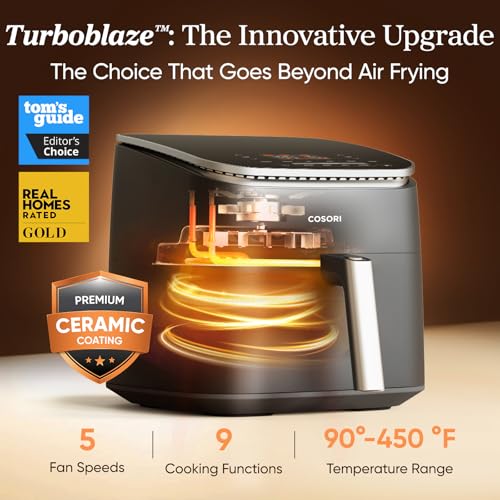
Think of it as a turbo convection oven. It sits on your counter. It plugs into a wall outlet. It uses a basket or rack to hold food. The basket helps air touch all sides. Heat comes from coils and a tight, focused chamber.
People ask what is an air fryer and how does it work. The short answer is heat and air flow. The full story adds science and design. I will explain both so you can get better results at home.
How does an air fryer work?
The heart of the unit is a heater and a fan. The heater is a metal coil. The fan sits above or behind it. When you start the unit, the coil gets hot. The fan pushes that heat around the food.
Food sits in a basket with holes or a mesh plate. The holes let air flow under and over your food. That flow speeds up browning. It also moves water vapor away. The result is a dry, crisp surface and a moist center.
This is the core of what is an air fryer and how does it work. High heat, fast air, and a compact space. The small space matters. It keeps heat close to the food. That makes the surface hot fast. You get a crust without soaking in oil.
The science in plain words
Crisp food needs three things. Heat, dry air, and time. In deep frying, hot oil moves heat fast. In an air fryer, moving air does the job. Air is slower than oil, but speed and design help.
Browning is the Maillard reaction. It happens when heat hits amino acids and sugars. It starts near 300°F on the surface. Drier surfaces brown faster. The fan helps dry the surface. A tiny oil mist helps, too. Oil fills tiny gaps and boosts heat transfer.
That is why a spray of oil can change a limp fry to a crisp fry. It is also why shaking the basket helps. Shaking exposes new sides. Air hits those sides and dries them out. You get even color and crunch.
Key parts of an air fryer
Most air fryers share the same parts. A heater coil, a fan, a basket, and a control panel. Many units add a crisper plate or a mesh rack. Some add a glass door and trays. Others add a thermometer probe.
The basket is often nonstick. It can be PTFE-based or ceramic. It may be dishwasher safe. The fan size and speed matter. Strong fans move more air. That means more even results. The heater power (watts) sets how fast it heats.
Air fryers may have presets. Fries, wings, steak, bake, roast, or dehydrate. Presets are shortcuts. You can set temp and time on your own. I often do, since food size varies a lot.
Air fryer vs deep fryer vs oven
A deep fryer cooks in hot oil. It is very fast and very crisp. It uses a lot of oil and needs care. An air fryer uses hot air. It is slower than deep frying but faster than ovens. It uses far less oil and smells less.
A standard oven can crisp, but it needs time to heat and may not equal the crust. A convection oven gets closer. A small air fryer is like a tiny convection oven with a big fan. It does snacks and small meals faster.
If you ask what is an air fryer and how does it work in a real kitchen, this match up helps. The air fryer trades a little crisp for speed and ease. For many meals, that is a win.
Health and nutrition basics
Air fryers use less oil. That can cut total fat and calories in a dish. The exact change depends on what you cook. Fries need just a spoon of oil to coat. Wings can crisp in their own fat. Veggies need a mist to brown well.
Heat can create acrylamide on some foods like potatoes. This happens in many dry-heat cooks, not just air fryers. If you soak cut potatoes and cook to golden, not dark brown, you reduce that risk. A varied diet is still the key.
Remember, an air fryer is not a health device. It is a cooking tool. It helps you cook at home with control. You choose the oil type, salt, and spice. That control matters more than a fancy preset.
Energy use and speed
Air fryers heat fast. They use between about 1200 and 1800 watts in many home units. The small space and strong fan lower total cook time. That can cut energy use compared to long oven bakes.
I see 8 to 20 minute runs for many meals. Preheat can be 2 to 4 minutes. That is fast. It fits busy nights and hot summers when you do not want to run a big oven.
If you track energy costs, short, hot cooks can pay off. A smaller element that runs for less time uses less total energy. That is a simple way to think about it.
Choosing the right air fryer
Start with size. Basket units range from 2 to 8 quarts. Ovens range larger. A 5-quart basket fits two chicken breasts, 1 to 1.5 pounds of fries, or a pound of wings. A 7 to 8-quart fits bigger family trays and a whole chicken.
Next, check the temp range. Many top out at 400°F. Some go to 450°F. Higher temps help with steak sears and frozen pizza. They also cut time. A good unit has steady temps and a strong fan.
Look at the basket shape. A square or rectangular basket holds more than a round one. Look for a crisper plate. It lifts food and boosts air flow. Nonstick helps with clean up. Make sure the handle feels solid.
Controls should be clear. You want simple buttons and a bright display. Presets are nice but not needed. I value even heat and a strong fan more. Good brands also include support and parts. A one-year warranty is common.
What to cook first
Try fries, wings, and Brussels sprouts. They all do well in air fryers. Fries need a soak and a pat dry. Toss with a spoon of oil. Salt after cooking. Wings can go in dry. Season and cook. Toss in sauce after.
Salmon is also great. Set 380°F. Brush with oil. Season with salt and pepper. Cook 8 to 12 minutes based on thickness. Veggies like carrots or cauliflower love high heat. Toss with oil, salt, and garlic. Cook until edges char.
This is the fun part of what is an air fryer and how does it work. It is simple, fast, and tasty. Small tweaks change texture a lot. You will find your groove in a week.
Time and temperature basics
Here are simple guides. Add or cut time based on size.
- Frozen fries: 380°F, 12–18 minutes, shake twice
- Chicken wings: 390°F, 18–24 minutes, flip once
- Chicken breast: 375°F, 12–16 minutes, check 165°F
- Salmon fillet: 380°F, 8–12 minutes
- Steak (1 inch): 400°F, 10–14 minutes, rest after
- Brussels sprouts: 390°F, 12–16 minutes
- Roasted carrots: 390°F, 14–18 minutes
- Bacon: 350°F, 8–12 minutes
Preheat for 2 to 4 minutes for best browning. Do not crowd the basket. Space lets air do its job. Light oil helps crust form. Use a pump sprayer for a fine mist.
Tips for better crisp
Dry the surface of your food. Water blocks browning. Use paper towels. Then add a light oil coat. More oil is not better. Too much will steam or smoke.
Shake or flip halfway. That exposes new edges. Start with a hot basket. Run preheat for a minute, then add food. Do not use aerosol sprays with propellants on nonstick. They can pit the coating.
For breaded foods, press crumbs on well. Spray a fine mist over the top. Cook at a moderate temp first. Then use a short burst at the end to add crunch.
Oils and smoke points
Use oils with a medium to high smoke point. Avocado, canola, peanut, light olive, and grapeseed work well. Extra virgin olive oil can smoke at high temps. You can still use it for lower temps or short cooks.
Smoke comes from oil, fat drips, and food bits. If you notice smoke, lower the temp a bit. Clean the basket and plate. Use a splash of water in the drawer for fatty foods. That catches drips and reduces smoke.
Cleaning and care
Clean the basket and plate after each use. Warm water and mild soap work best. A soft sponge protects the coating. Avoid scouring pads. Dry fully before the next cook.
Wipe the inside of the unit when cool. Get rid of grease near the fan screen. Do not flood the cavity with water. Keep vents clear. Check the cord for wear. Store with the basket dry and open to air.
A clean unit cooks better. It also smells better. Build-up can smoke and affect flavor. A few minutes of care pays off fast.
Common mistakes and quick fixes
Overcrowding is the top mistake. Food then steams instead of crisps. Cook in batches or size up your unit. Use racks if your model supports them.
Another mistake is skipping preheat. A warm basket helps sear. Start hot for better crust. Also, avoid heavy batters. Use dry breading instead. Wet batter can drip and burn.
Uneven browning? Try a shake mid cook. Or adjust temp down 10–20 degrees and cook longer. That lets the center catch up without burning edges.
Safety notes
Place the fryer on a stable, heat-safe surface. Leave space behind and above for vents. Do not block airflow. Do not set under low cabinets if the vent blows upward.
Use heat-safe tools. The basket and plate get very hot. Use tongs or a spatula. Unplug when not in use. Let it cool before cleaning.
Many baskets are nonstick. Avoid metal forks that can scratch. If the coating flakes or peels, replace the basket. That keeps food safe and nonstick performance high.
Accessories that help
A good oil mister makes a big difference. It gives you a fine, even coat. That coat helps browning with little oil. A silicone liner can ease clean up. It should be vented to keep airflow strong.
Racks add a second layer for thin items. They shine for wings and jerky. A meat thermometer is a must for chicken and pork. It takes the guesswork out.
Baking pans sized for your basket expand options. You can make frittatas or brownies. Just remember to allow air to move around the pan if you can.
Air fryer ovens vs basket styles
Basket units are compact and simple. They excel at fries, wings, and quick sides. Air fryer ovens look like toaster ovens. They have racks and a glass door. They can bake pizza and toast while also air frying.
Ovens can hold more and cook two trays at once. They may need a rotate or swap for even color. Basket units often brown a bit faster due to the tight chamber. Your choice depends on space and what you cook most.
Noise, smells, and placement
Air fryers make fan noise. It is like a range hood on low to medium. Place it where you can reach the basket easily. Keep it away from walls for airflow.
Smells are lighter than deep frying. Still, bacon and fish can linger. Crack a window or run a hood if you can. Clean often and avoid burned crumbs for a fresher kitchen.
Cost and value
Prices range wide. Compact baskets start low. Large, smart ovens cost more. Think about the meals you will cook most. A mid-size basket like a 5-quart often hits the sweet spot.
Value comes from how often you use it. If you use it three nights a week, it earns its keep fast. It can also help you skip takeout. That saves money and lets you steer the menu.
Brand notes and features to watch
Look for even heating, strong fans, and solid baskets. Check that parts are easy to find. Replacement baskets and crisper plates add years of life. Simpler controls last longer in my experience.
Some new models add windows and lights. Those help you see progress without opening the basket. Others add probe thermometers you can set to a temp. When the meat hits that temp, the unit stops. That is a smart add-on for thick cuts.
Smart apps can help with recipes, but I value hardware first. Good heat and air flow beat fancy screens. If the core cook is great, the extras are a bonus, not a fix.
Step-by-step: first cook walkthrough
Wash the basket and plate. Dry them well. Plug the unit in. Run an empty cycle for 10 minutes to burn off any factory oils.
Cut a potato into sticks. Soak in cold water for 20 minutes. Drain and dry. Toss with a spoon of oil and a pinch of salt. Preheat the fryer to 380°F for 3 minutes.
Add the fries in one even layer. Cook 12 minutes. Shake the basket. Cook 4 to 6 more minutes to your color. Salt again after cooking. Now you know what is an air fryer and how does it work, hands on.
Troubleshooting quick answers
Soggy fries? Dry them better and do not crowd. Add a little oil and increase the final minutes. Pale wings? Pat them dry and skip sauce until the end.
Dark edges, raw centers? Lower temp by 20°F and cook longer. That gives heat time to reach the middle. Sticky basket? Use a light oil spray and preheat the basket.
Smoking? Clean out the grease. Use less oil. Add a splash of water under the crisper plate for fatty cuts. That catches drips and keeps them cooler.
How air fryers save time
Preheat is short. Clean up is quick. Cooking is faster due to the small space and moving air. Many meals go from plan to plate in under 25 minutes.
That makes weeknights smoother. It also means fewer pans. You can cook a protein and a side back to back in one unit. Less mess, less stress.
Real-world meal ideas
Try a chicken thigh dinner. Season thighs and cook at 380°F for 16 to 22 minutes. While they rest, toss in seasoned green beans for 8 minutes. Dinner is done fast.
Make crispy tofu. Press extra water out. Toss cubes in cornstarch, oil, and soy sauce. Cook at 390°F for 14 minutes. Shake halfway. Add to rice and veggies.
Do a late-night snack. Toast a quesadilla at 370°F for 5 to 7 minutes. It will be crisp and melty. Simple, fast, and very good.
Why air fryers are so popular
They simplify cooking. They cut oil, time, and clean up. They make it easy to get a crisp bite. People want tools that fit busy lives. This tool does.
When friends ask what is an air fryer and how does it work, I show them fries first. One batch tells the story. After that, they start to try more foods. It becomes part of their routine.
Advanced tips for better control
Use a digital thermometer. It tells you when chicken hits 165°F or steak hits your target. Pull meat a few degrees early. It will carry over as it rests.
Stage your cooks. Start lower to heat through. Finish higher to crisp. This two-stage plan fixes many issues. It also protects delicate foods like fish.
Pre-crisp vegetables like sprouts and carrots. Then add glazes in the last minutes. Sugar burns fast. Late glaze gives shine without bitter notes.
Materials and coatings
Most baskets use a nonstick coating. Treat it well. Use silicone or wood tools. Avoid harsh sprays and scrubs. If you want a metal-safe option, look for stainless baskets or racks. They may need more oil but last long.
Nonstick is popular because it cleans up fast. If you follow the care notes, it can last years. If flakes appear, replace the basket. Food safety and browning will be better after the swap.
Do you need an air fryer if you have an oven?
You can roast and bake in a convection oven. You do not need an air fryer. But you may want one. It heats faster and uses less energy for small batches. It can also be more even for crisp snacks.
If you cook for one or two, it is a win. If you cook big meals and sheet pans, an oven still rules. Many homes use both. The air fryer handles snacks and sides. The oven handles big trays.
Storage and space
Measure your counter and cabinets. Check the height with the basket handle up. Check the back vents. Do not push the unit flush against a wall.
If storage is tight, a 4- to 5-quart unit hits a nice size. It is large enough for two to three people. It is small enough to put away after use.
Cleaning schedule
Clean the basket after each use. Wipe the cavity weekly if you cook often. Wash racks and plates as needed. Monthly, check the fan screen for build-up. A clean fan moves air better.
If you smell old oil, clean right away. Old oil can stick smells to new food. Warm water, dish soap, and a soft brush work best. Dry parts well before you reassemble.
What about reheating?
Reheating is where air fryers shine. Pizza slices come out crisp, not soggy. Fries and wings come back to life. Set 320–350°F and check often. It takes just a few minutes.
Many users buy an air fryer for this alone. Leftovers taste fresh. That saves food and money. It also cuts down on microwave use for crispy foods.
Frozen foods
Freezer snacks and sides are easy. Use the package oven temp as a starting point. Cut time by 15–25% due to the small chamber. Shake once or twice. Add a minute or two at the end if needed.
Spray a little oil if the surface looks dry. That can help browning. Do not thaw frozen fries or nuggets first. Cook from frozen for best texture.
Can you bake in an air fryer?
Yes, you can. Use small pans that fit the basket. Cupcakes, brownies, and cookies all work. Lower the temp by about 25°F compared to oven guides. Check early. Air flow and small space can brown tops fast.
Bread can work too. Smaller loaves or rolls do best. Steam is key for crusty bread. Place a small tray of water under the rack if your model supports it.
The question I hear most
People ask this main line: what is an air fryer and how does it work for my food? The answer is this. It is a small, hot, fast oven with a fan. It will crisp small batches and reheat like a champ. It will not replace a full oven for large meals. But it will be your go-to for snacks and weeknights.
Use it for fries, wings, salmon, tofu, veggies, and toast. Use it to reheat pizza and fries. Keep it clean and preheated. Add a light oil mist. Those four rules unlock 90% of the power.
Who should buy one
New cooks who want easy wins. Parents who need fast dinners. Students in small spaces. People who love crispy food but want to use less oil. Anyone who hates waiting for an oven to heat.
If you ask what is an air fryer and how does it work in a small kitchen, the answer is perfect. It is small, fast, and friendly. It helps you eat at home more. That alone can change your week.
Budget vs premium
Budget models can cook well. They may have fewer features and thinner baskets. Premium models add windows, probes, and higher temps. They often have better airflow and build quality.
Decide based on your top needs. If you want perfect steak temps, a probe helps. If you love watching the cook, a window is fun. If you just want fries and wings, a solid mid-range unit is great.
Sustainability thoughts
Air fryers can cut energy use for small meals. They reduce oil waste versus deep frying. They also help you cook at home more. That can trim takeout packaging waste.
Take care of your unit. Replace baskets when needed. Recycle old electronics at proper drop-off points. Little steps add up.
FAQs Of what is an air fryer and how does it work
Does an air fryer actually fry food?
No. It does not deep fry in oil. It uses hot, fast air to mimic a fried texture.
Do I need to preheat an air fryer?
Preheating improves browning and speed. Two to four minutes is enough.
How much oil should I use?
Use a light mist or about a teaspoon per pound. Some foods need none.
Can I use parchment or liners?
Yes, use vented liners rated for high heat. Do not block airflow.
Is it safe to cook raw meat in an air fryer?
Yes. Cook to safe internal temps. Use a thermometer for accuracy.
Final Verdict: Which Should You Buy?
The Ninja AF141 is a smart, simple pick if you want crisp food fast. It shows what is an air fryer and how does it work with clear, steady heat and strong airflow.
Need higher temps, a window, or more space? Look at larger or premium models. For most homes, this 5-quart unit nails the basics and delivers daily value.