Pour boiling water, plunge firmly, then snake or clean the P-trap.
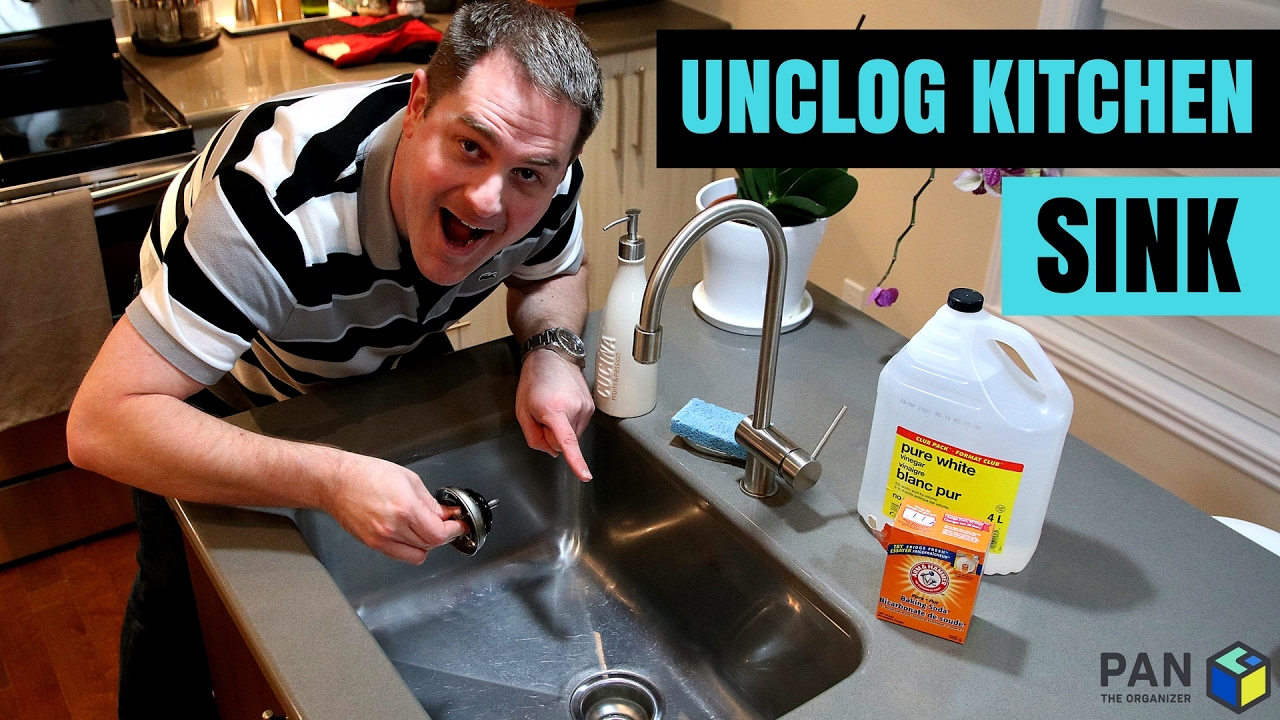
If you want a reliable, step-by-step plan for how to unclog kitchen sink, you are in the right place. I have cleared hundreds of drains in homes and rentals, and I’ll show you proven methods that work fast, plus mistakes to avoid. Follow this guide to learn how to unclog kitchen sink safely, without guesswork or wasted time.
Before you start: diagnose the clog
Start by noting what is slow or blocked. If both bowls rise when one drains, the clog is past the tee. If water backs into the dishwasher, the blockage is in the sink branch or trap arm.
Run the disposal for 10 seconds with cold water. Many sink clogs are food pulp jammed in the disposal throat. If the disposal hums but does not spin, press the reset button and use the hex key to free it.
Shine a light down the drain. Look for a mat of fibrous food, coffee grounds, or a stuck stopper. Pull out visible debris with tongs. This simple check often saves time in how to unclog kitchen sink.
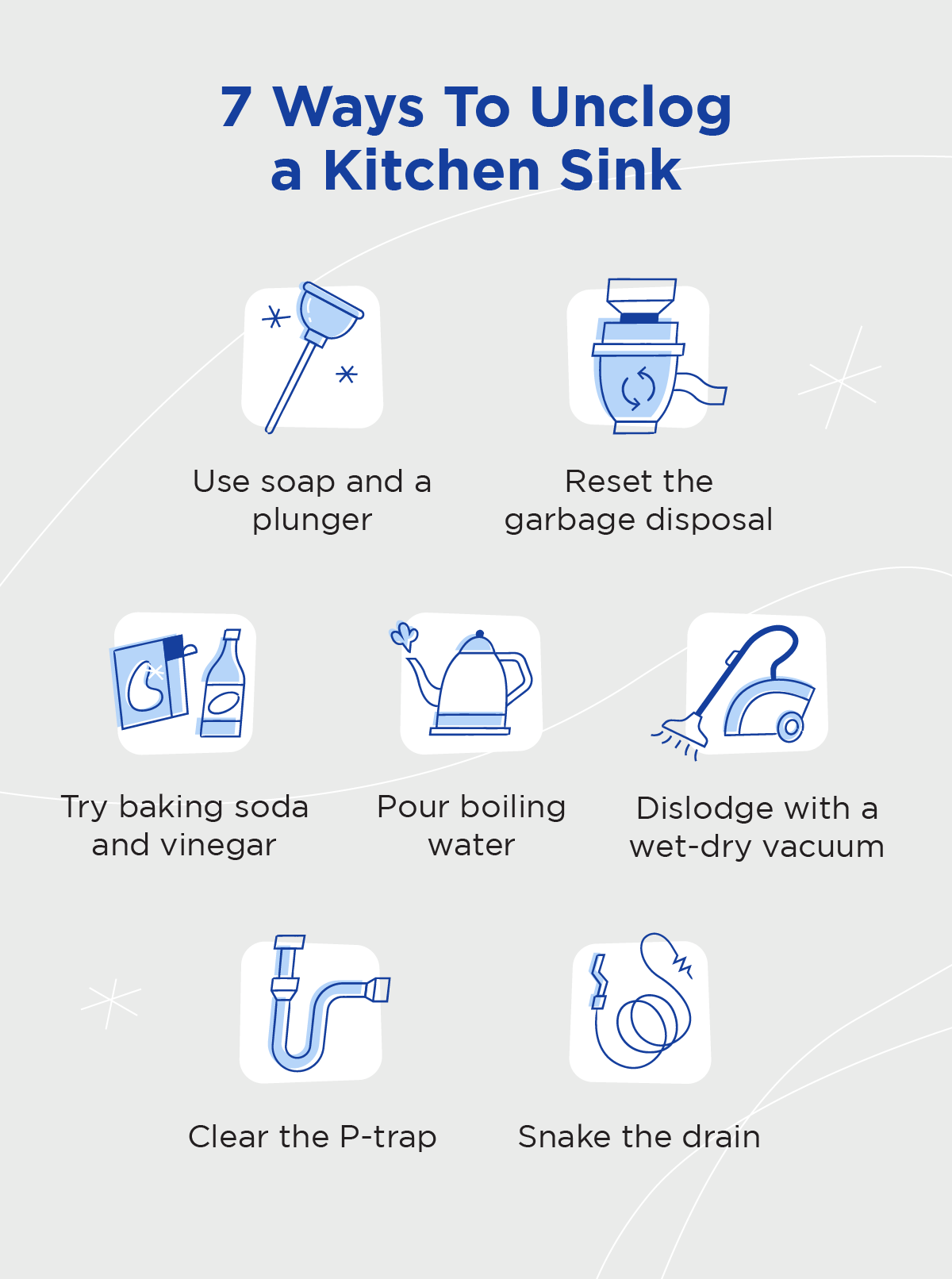
Essential tools and safety
Keep these items ready before you begin:
- Kettle or pot for hot water Use to break grease.
- Dish soap Lowers surface tension and helps move sludge.
- Baking soda and white vinegar For mild, safe chemistry.
- Cup plunger Flat bottom, made for sinks.
- Hand-crank drain snake or drill-powered snake 1/4 inch or 5/16 inch cable.
- Bucket, rags, and rubber gloves Control spills and protect hands.
- Adjustable pliers and slip-joint pliers For trap nuts.
- Flashlight and old toothbrush For inspection and cleaning.
Safety matters when you learn how to unclog kitchen sink. Do not mix chemicals. Never plunge or snake after using caustic drain cleaner. If you used any, flush with lots of water and wait. Use eye protection. Limit boiling water on PVC to one or two kettles to avoid softened joints.
Step-by-step methods to unclog a kitchen sink
These methods go from easiest to stronger. Stop once the drain runs clear. This sequence reflects field work that has solved most calls for how to unclog kitchen sink.
Method 1: Boiling water and soap
- Bring one kettle to a boil. Turn off water at the faucet.
- Squirt two tablespoons of dish soap into the drain.
- Pour the boiling water slowly in two rounds. Wait 30 seconds between pours.
- Run hot tap water for one minute. Test flow.
This is gentle and works well on grease. I use it first on rental turnovers.
Method 2: Baking soda and vinegar
- Pour half a cup of baking soda into the drain.
- Add one cup of warm vinegar. Plug the drain for 10 minutes.
- Rinse with hot water for two minutes.
This helps with light buildup. It is safe and a good step when learning how to unclog kitchen sink without harsh chemicals.
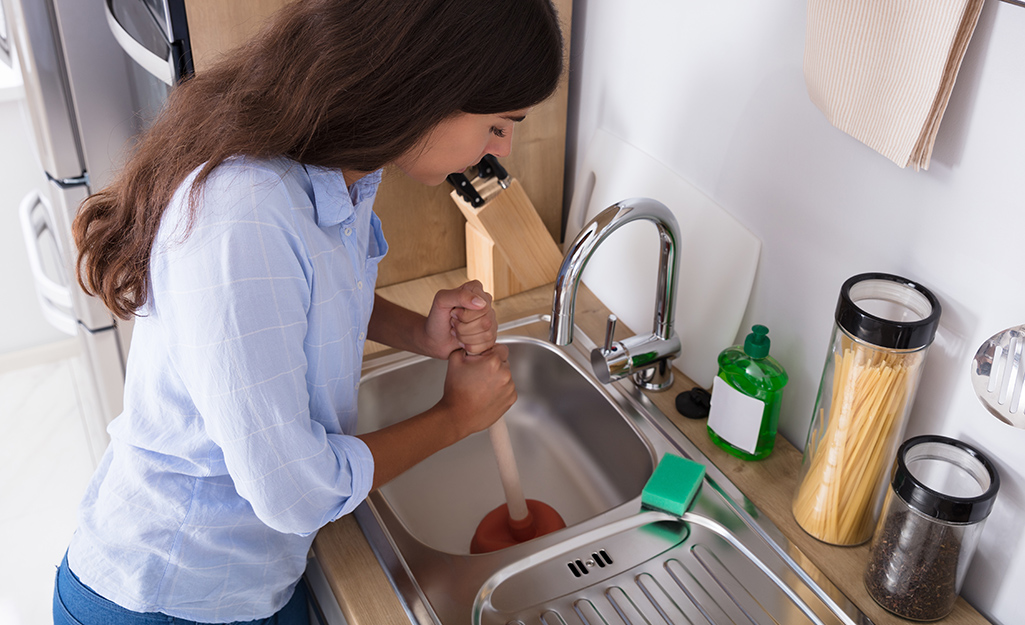
Method 3: Plunge the sink
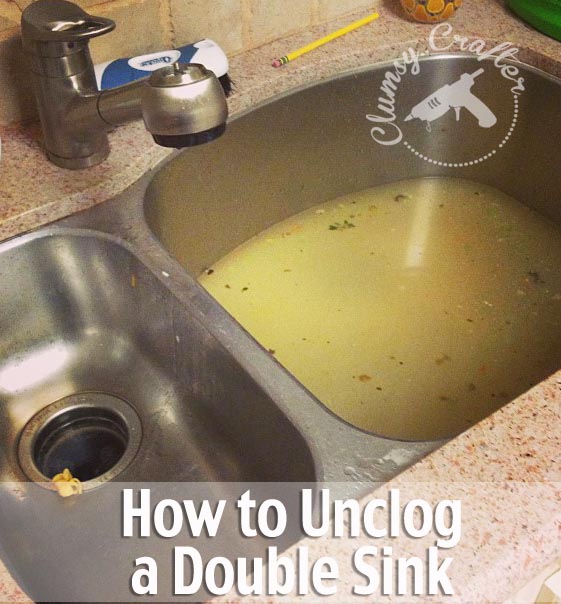
- If you have a double sink, seal the other drain with a wet rag or stopper.
- Fill the clogged side with enough water to cover the plunger cup.
- Place the cup over the drain. Push and pull straight for 20 seconds.
- Lift the plunger to check. Repeat three rounds if needed.
Use a flat cup plunger, not a toilet plunger. The right tool makes how to unclog kitchen sink faster and cleaner.
Method 4: Clear the disposal and strainer
- Unplug the disposal. Remove the splash guard if possible.
- Pull out trapped peels, pasta, or coffee with tongs. Do not use your hand.
- Reinstall the guard, restore power, and run cold water for one minute.
A jam at the baffle is common after big meal prep. This quick fix is part of every call I take for how to unclog kitchen sink.
Method 5: Snake from the drain opening
- Remove the strainer or stopper. Feed the snake cable into the drain.
- Crank while pushing. Keep light pressure to turn through bends.
- When you feel resistance, crank to bite, then pull back to clear the plug.
- Run hot water to test. Repeat until the line runs free.
Stay patient. Small bites work better than force. This is the core step for how to unclog kitchen sink with a snake.
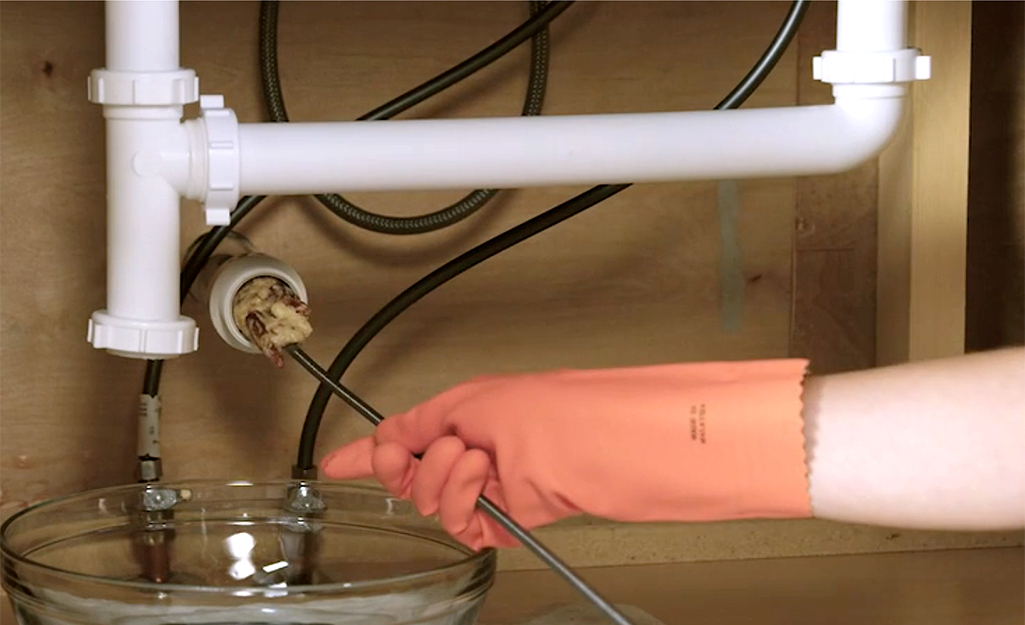
Method 6: Clean the P-trap and trap arm
- Place a bucket under the trap. Loosen the slip nuts by hand or with pliers.
- Remove the U-shaped trap. Dump debris into the bucket.
- Brush the trap and the trap arm to the wall. Remove sludge at the tee.
- Reassemble. Hand-tighten, then a small snug with pliers. Do not over-tighten.
- Run water and check for leaks. Tighten a quarter turn if needed.
This fix has the highest success rate in my work. It is the final step in how to unclog kitchen sink before you need a longer snake in the wall.
Special cases: double sinks, disposals, and dishwasher tie-ins
For a double sink, always seal the other bowl when you plunge. If you skip this, force escapes and the clog will not budge. For disposals, confirm the reset button is engaged and the chamber is clear.
If the dishwasher backs up into the sink, the blockage is after the dishwasher tee. Clear the trap and the trap arm first. This is a common reason people search how to unclog kitchen sink after running a cycle.
Grease-heavy clogs respond to hot water and soap. Enzyme-based cleaners can help maintain lines, but they are slow. Avoid caustic cleaners on old metal pipes or if you plan to plunge or snake soon.
How to prevent future clogs
Good habits beat any cleaner. Use a sink strainer and empty it daily. Scrape plates into the trash before rinsing.
Never pour fats, oils, or grease down the drain. Wipe pans with a paper towel first. Skip coffee grounds and large peels. Run hot water and a short burst of dish soap after washing greasy items.
Do a monthly flush. Pour half a cup of baking soda and a cup of warm vinegar. Wait ten minutes. Rinse hot. This small step reduces the need to think about how to unclog kitchen sink again.
Common mistakes and safety tips
Do not mix drain cleaners with vinegar, bleach, or ammonia. Dangerous gas can form. If chemical cleaner was used, flush with cold water for several minutes and wait.
Do not over-tighten slip nuts on the trap. The washers can deform and leak. Hand snug is often enough. Overuse of boiling water on PVC can soften parts. One or two kettles per try is a safe limit.
Avoid pushing the clog deeper with a screwdriver. You can compact the plug. Use a snake instead. These points sound basic, but they save money and keep how to unclog kitchen sink safe.

When to call a plumber and costs
Call a pro if several fixtures back up at once, toilets gurgle when the sink drains, or you smell sewer gas. Those signs point to a main line issue. Also call if you have repeated clogs in a short time or very old pipes.
A standard sink drain clear with a hand snake is usually a quick visit. Costs vary by region and time of day. Expect a higher fee for night or weekend calls. Ask for a camera inspection if clogs come back often. It can reveal a bellied pipe or heavy scale. Knowing this helps you decide when DIY how to unclog kitchen sink is enough.
Frequently Asked Questions of how to unclog kitchen sink
What is the fastest way for how to unclog kitchen sink?
Try dish soap and boiling water, then plunge for 20 seconds. If that fails, use a small drain snake or clean the P-trap.
Can I use baking soda and vinegar to unclog a kitchen sink?
Yes, for light buildup it can help break down sludge. It is safe, cheap, and a good first step before tools.
Is chemical drain cleaner safe for how to unclog kitchen sink?
Use caution. Caustic cleaners can harm old pipes, disposals, and your skin. Never plunge or snake after using them until the line is flushed.
How do I plunge a double kitchen sink correctly?
Seal the other drain with a wet rag or stopper. Fill the clogged side to cover the plunger cup, then plunge straight up and down.
Why does my sink clog again after I clear it?
Grease, coffee grounds, and fibrous foods can build up fast. Improve habits, add a strainer, and do a monthly hot water and baking soda flush.
Do I pour boiling water into PVC drains when doing how to unclog kitchen sink?
Yes, but limit to one or two kettles per attempt. Excess heat can soften joints, so use care.
How far should I snake the kitchen drain?
Feed in until you pass the trap and reach the wall tee, usually a few feet. If you hit a hard stop, crank to bite, then pull back to clear.
Conclusion
You now have a clear plan for how to unclog kitchen sink, from quick fixes to deep clean steps. Start with hot water and soap, then move to plunging, snaking, and cleaning the trap. Avoid harsh mixes, protect your pipes, and build simple habits that keep water moving.
Take action today. Pick the first method and test your flow. If this guide helped, subscribe for more home tips, share your results, or leave a question so I can help with your specific setup.