Easy casserole recipes are fast, flexible, and budget-friendly family meals.
It is 5:30 p.m., the fridge looks sparse, and everyone is hungry. I have been there. That is when easy casserole recipes save the night. They use pantry staples, stretch leftovers, and bake while I set the table. Cleanup is simple. The result feels cozy and homemade, even on a busy weekday. If you want reliable meals with less stress, casserole cooking is a habit that pays off every time.
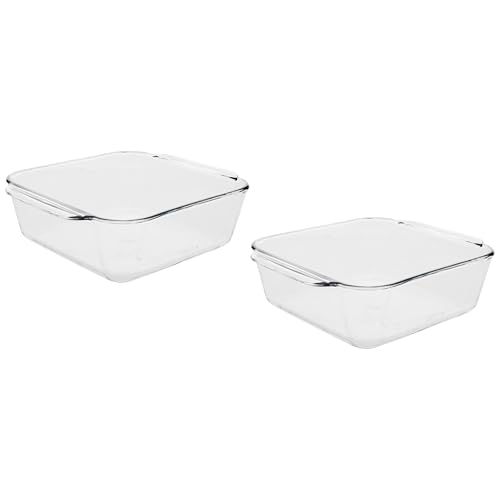
Pyrex 222-D 2.5-Quart Deep Glass…
Included: (2) Pyrex 222-D 2.5-Quart Deep Glass Baking Dishes (Great for casseroles, baked desserts, roasting vegetables, and more) – Made in USA Durable Materials: Non-porous tempered glass resists stains, scratches,…
Pyrex 2.5-Quart Deep Glass Baking Dish (2-Pack)

This two-pack of deep glass dishes is a workhorse for weeknight meals. The 2.5-quart capacity fits small family casseroles, baked pasta, and side dishes. The deeper walls help prevent boil-overs and keep sauces inside the pan. It is also clear glass, so I can see doneness around the edges at a glance.
The glass feels solid and resists stains from tomato and cheese. It stacks well in the fridge and cleans up fast by hand or in the dishwasher. According to the maker, the set is made in the USA. The two-pack format means I can prep two meals at once and freeze one for later.
Pros:
- Deep walls reduce spills and hold more sauce
- Clear glass helps track browning and doneness
- Two-pack saves time for batch meal prep
- Dishwasher-safe for easy cleanup
- Oven-safe for most standard baking needs
- Neutral look works for oven-to-table serving
Cons:
- Not for stovetop or direct broiler use
- Heavier than metal pans
- Needs care to avoid thermal shock
My Recommendation
This set is best for home cooks who make easy casserole recipes on repeat. The size is right for couples, small families, or side dishes for bigger groups. The deep shape shines with saucy bakes, like lasagna or tamale pie. If you batch cook or freeze meals, the two-pack is a smart buy.
Choose this if you want durable glass that goes from oven to table, and you value clear visibility while the food bakes. Avoid sudden temperature swings, and it should last for years. The value is strong when you cook once and eat twice.
| Best for | Why |
|---|---|
| Small family casseroles | 2.5-quart size suits weeknight portions |
| Easy casserole recipes with sauce | Deep sides prevent spills and hold moisture |
| Make-ahead and freezing | Two-pack lets you bake one and store one |
Why easy casserole recipes work when life is busy
I cook every day, and I still hit walls. Time runs short. The fridge looks random. Easy casserole recipes fix that. They gather loose ends into one warm dish.
You do not need fancy gear or rare spices. You do not need chef training. You need a good dish, heat, and a smart formula. Casseroles are forgiving and fun to tweak.
The best part is passive time. While the oven works, I go help with homework. I set out plates. I breathe. Dinner arrives on its own timetable, and stress drops.
The simple formula for easy casserole recipes
After many tests, I use a core framework. It keeps choices fast and results steady. Mix and match within it and you will win most nights.
- Base: 3 to 4 cups of starch or low-carb stand-in. Options: cooked rice, small pasta, diced potatoes, tortilla strips, riced cauliflower, or beans.
- Protein: 2 to 3 cups. Options: rotisserie chicken, browned ground beef or turkey, canned tuna, tofu, chickpeas, or leftover roast.
- Veg: 2 to 4 cups. Options: frozen mixed veggies, spinach, broccoli, bell peppers, onions, or mushrooms.
- Binder: 1 to 2 cups. Options: cream soup, béchamel, cheese sauce, salsa + sour cream, broth + egg, or coconut milk.
- Flavor boost: 1 to 2 cups add-ins. Options: shredded cheese, olives, sun-dried tomatoes, pesto, curry paste, or herbs.
- Topping: 1 cup. Options: buttered breadcrumbs, crushed chips, fried onions, or extra cheese.
Bake at 350°F to 400°F. Most easy casserole recipes finish in 25 to 45 minutes. Look for bubbling edges and a 165°F center if you used cooked meat or eggs. Rest 10 minutes before serving. That sets the sauce and makes clean slices.
A few smart ratios keep texture right:
- If the base is dry (chips, uncooked tortillas), use the higher end of liquid or binder.
- If the base is wet (riced veg, canned tomatoes), reduce other liquids a bit.
- Cut proteins into bite-size so every scoop feels balanced.
Pantry staples that power easy casserole recipes
I shop with casseroles in mind. A small stash leads to fast choices. These are my go-to items.
- Starches: elbow macaroni, penne, instant rice, egg noodles, tortillas
- Cans and jars: diced tomatoes, tomato sauce, enchilada sauce, cream of mushroom, cream of chicken, coconut milk, marinara, pesto
- Proteins: canned tuna, canned chicken, black beans, chickpeas, lentils
- Veggies: frozen spinach, peas, mixed vegetables, corn, broccoli florets
- Cheeses: cheddar, mozzarella, parmesan, feta
- Boosters: chipotle in adobo, curry paste, olives, capers, salsa, ranch packet
- Crunch: panko, cornflakes, fried onions, tortilla chips
With this set, I can build easy casserole recipes fast. It turns random nights into planned wins. It also reduces food waste. Small leftovers become the star.
10 easy casserole recipes I trust on weeknights
I keep these on repeat. They work with common items. They scale up or down. They freeze well and reheat with grace.
Creamy Chicken and Rice Bake
Use leftover chicken or rotisserie. Stir cooked rice, chicken, frozen peas, cream of mushroom soup, and cheddar. Season with garlic powder and a pinch of thyme. Top with buttered panko and bake until golden. It is cozy, kid-friendly, and cheap.Beefy Enchilada Layered Casserole
Brown ground beef with onions and chili powder. Layer corn tortillas, beef, black beans, enchilada sauce, and cheese in the dish. Repeat, ending with cheese. Bake until bubbly. Serve with cilantro, sour cream, and lime. This is a pantry hero with bold taste.Tuna Noodle Classic
Cook egg noodles. Mix with canned tuna, peas, cream of celery or mushroom, a bit of mayo, and lemon zest. Top with crushed potato chips for crunch. Bake until the top turns crisp. It is fast, salty-sweet, and very nostalgic.Veggie Alfredo Bake
Microwave broccoli and carrots until tender. Toss with cooked penne, jarred Alfredo, garlic, and mozzarella. Add Italian herbs and a handful of spinach. Top with parmesan. This is a great meatless Monday dish with comfort built in.BBQ Chicken Cornbread Casserole
Mix shredded chicken with your favorite BBQ sauce and a bit of broth. Spread in the dish with corn and onions. Pour cornbread batter on top. Bake until the cornbread sets and browns. The sweet and smoky combo shines.Breakfast-for-Dinner Hash Brown Bake
Layer thawed hash browns, diced ham or bacon, bell peppers, and cheddar. Whisk eggs with milk, salt, and pepper. Pour over and bake until puffed and set. This holds well for brunch. It also packs well for lunch leftovers.Greek-Inspired Orzo Bake
Cook orzo until al dente. Mix with cherry tomatoes, spinach, olives, and crumbled feta. Add a bit of olive oil, lemon, and oregano. Top with more feta and bake. Serve with tzatziki or yogurt sauce. It tastes bright and fresh.Turkey Shepherd’s Pie
Sauté onion, carrot, and peas. Add ground turkey and a dash of Worcestershire. Stir in a bit of gravy or broth and simmer thick. Spread in the dish. Top with mashed potatoes and bake until browned on top. It is lean, hearty, and loved.Creamy Mushroom and Wild Rice Bake
Cook a wild rice blend until tender. Sauté mushrooms with garlic and thyme. Stir in cream, parmesan, and a splash of broth. Combine with rice and bake until creamy and set. Add rotisserie chicken if you want more protein.Cheesy Cauliflower “Mac” for Low-Carb Nights
Steam cauliflower florets until just tender. Toss with a quick cheese sauce made from cream, cheddar, and a pinch of mustard powder. Add crisp bacon or diced ham if you like. Top with crushed pork rinds or panko and bake. It hits the mac-and-cheese spot without pasta.
How to adapt easy casserole recipes for your diet
I write and test recipes for many eaters. Here are fast tweaks that keep flavor high and stress low.
- Gluten-free: Choose GF pasta or rice. Use cornstarch or a GF roux to thicken. Check labels on soup, soy sauce, and toppings.
- Dairy-free: Swap coconut milk or cashew cream for dairy. Use dairy-free cheese shreds that melt well. Add nutritional yeast for extra savor.
- Low-carb: Use riced cauliflower, zucchini, or spaghetti squash instead of pasta. Keep sauces thicker to avoid watery texture.
- High-protein: Add cottage cheese, Greek yogurt, or extra chicken. Use beans or lentils. Top with eggs for breakfast bakes.
- Lower sodium: Use low-sodium broths and sauces. Rinse canned beans. Season with acids and herbs to boost flavor without salt.
Small changes make easy casserole recipes work for everyone at the table. Taste as you go. Let herbs, spices, and acid do the heavy lifting.
Step-by-step method for consistent results
I follow this simple flow. It keeps texture right and cuts prep time.
- Preheat the oven. Most easy casserole recipes bake at 350°F to 400°F. I set to 375°F when in doubt.
- Grease the dish. A thin coat prevents sticking and makes cleanup easy.
- Partially cook dense items. Brown ground meats. Par-cook potatoes. Blanch firm vegetables.
- Mix the binder. Combine sauce, cheese, and seasonings in a bowl. Taste and adjust salt.
- Assemble. Layer or stir everything in the dish. Keep toppings dry until the end.
- Bake uncovered for crunch or covered for moisture. I often bake covered for 20 minutes, then uncover to brown.
- Check for bubbling edges and a hot center. For safety with cooked meats or egg binders, aim for 165°F.
- Rest for 10 minutes. This gives clean slices and a set sauce.
Make-ahead, freezing, and reheating tips
I batch cook every Sunday. Easy casserole recipes make that plan simple. Here is how I store them well.
- Make-ahead: Assemble the day before. Cover and refrigerate. Add 5 to 10 extra minutes of bake time since it starts cold.
- Freezing unbaked: Line the dish with parchment. Assemble and freeze until firm. Lift the block out, wrap tight, and label. Later, return it to the dish to bake.
- Freezing baked: Cool fully. Portion in airtight containers. This avoids overbaking the whole pan later.
- Reheating: Bake at 300°F to 325°F, covered, until hot. Add a drizzle of broth or cream to revive a dry top. Microwave single portions in short bursts, stirring between.
Avoid thermal shock with glass. Do not take a glass dish from freezer to a hot oven. Thaw in the fridge first. Never add liquid to hot glass. Wait a few minutes and then add.
Timing and doneness
Ovens vary. Racks matter. That is normal. Use these cues for success.
- Quick bakes, like tuna noodle or orzo, take 25 to 35 minutes at 375°F.
- Dense bakes, like lasagna or potato-heavy dishes, take 40 to 60 minutes.
- A foil cover keeps moisture in for the first half. Remove for browning.
- Bubbles at the edges and a golden top signal it is ready.
- If cheese browns too fast, tent with foil.
Texture cues beat the clock. Easy casserole recipes should feel creamy but not soupy. Rest time tightens the sauce.
Sauces and binders that never fail
Binders give casseroles body and unity. Here are quick blends that rarely miss.
- 5-minute béchamel: Melt 2 tablespoons butter. Add 2 tablespoons flour. Cook 1 minute. Whisk in 2 cups milk. Season with salt, pepper, and nutmeg. Simmer until thick.
- Cheddar cream: Simmer 1.5 cups cream with a pinch of mustard powder. Stir in 1.5 cups cheddar off heat. Add a splash of hot sauce.
- Salsa cream: Mix 1 cup salsa with 1 cup sour cream and 0.5 cup shredded cheese. Great for chicken or black bean bakes.
- Coconut curry: Stir 1 can coconut milk with 1 to 2 tablespoons curry paste, lime juice, and fish sauce or salt.
- Tomato basil: Simmer tomato sauce with garlic, basil, and a pat of butter. Add a splash of cream if you like.
With these in your pocket, easy casserole recipes gain a signature taste. You can swing Italian, Tex-Mex, or Thai-inspired any time.
Shopping and budget tips for casserole success
I love how casseroles stretch a dollar. Here is how I shop smarter.
- Buy proteins on sale. Shred rotisserie chicken and freeze flat in bags.
- Stock frozen vegetables. They are cheap, prepped, and always ready.
- Use store brands for cream soups and pasta. Spend on cheese or fresh herbs.
- Grate cheese from blocks. It melts better and costs less.
- Stretch meat with beans or lentils. No one will notice in a saucy bake.
Easy casserole recipes are budget meals by design. You feed a crowd and control waste. That is real value.
Flavor profiles to keep things fresh
Even with the same base, you can change the mood fast. I rotate these styles so the week never feels dull.
- Italian: Marinara, mozzarella, basil, and olives. Finish with parmesan.
- Tex-Mex: Enchilada sauce, black beans, corn, and jalapeños. Finish with cilantro and lime.
- Greek: Tomato, oregano, lemon, spinach, and feta. Finish with olive oil.
- Cajun: Andouille, peppers, celery, onion, and Cajun spice. Finish with green onions.
- Curry: Coconut milk, curry paste, peas, and chicken. Finish with cilantro and lime zest.
By shifting the flavor deck, easy casserole recipes stay fun. The oven does the work, and your taste buds stay happy.
Common mistakes and how to fix them
I see the same errors often. They are easy to fix.
- Watery casseroles: Squeeze thawed spinach. Drain canned items well. Cook mushrooms to release water first.
- Bland results: Salt in layers. Add acid like lemon or vinegar at the end. Use herbs and a pinch of heat.
- Mushy pasta: Boil to very al dente. It will finish in the oven.
- Greasy tops: Drain fat after browning meat. Blot before adding sauce.
- Burnt toppings: Cover with foil once browned to protect crunch while the center heats.
These tweaks turn good into great. Easy casserole recipes reward small details.
How to clean and care for glass bakeware
I rely on glass for testing because it is honest. It shows me the edges. It heats evenly. It also needs basic care.
- Let glass cool before washing. Rapid shifts can crack it.
- Use non-abrasive scrubbers. Baking soda paste lifts stuck bits.
- Avoid broilers and direct flame. Glass is for oven heat, not open heat.
- Do not nest tightly with rough surfaces. A paper towel between pieces prevents scratches.
- Check the manufacturer’s guidelines for max temps. Stay within them.
Follow these habits, and your dish will last. That matters when you cook easy casserole recipes every week.
Portioning, sides, and leftovers
Casseroles are generous by nature. I plan for leftovers on purpose.
- Portions: A 2.5-quart dish gives about 4 to 6 servings, depending on sides.
- Sides: Add a simple salad, garlic bread, or roasted broccoli to round out the plate.
- Leftovers: Pack in flat, shallow containers. Reheat covered at low heat to keep moisture. Add a splash of broth to revive.
I also cut cooled casseroles into squares and wrap for the freezer. That makes grab-and-go lunches. Easy casserole recipes can serve all day, not just at dinner.
Hosting with casseroles
If friends are coming, I lean on a make-ahead bake. The oven hums while I tidy the room. There is no panic at the stove. I get to be present as a host.
- Pair two casseroles: one meaty, one veggie. Everyone eats well.
- Keep toppings on the side for picky eaters.
- Offer a sauce bar: hot sauce, pesto, ranch, or salsa.
- Use a deep glass dish for a clean, classic look on the table.
This is why I love casseroles. They turn gatherings easy and warm. Easy casserole recipes help the night flow.
Nutrition and balance
Casseroles have a rich image. They can also be balanced and fresh.
- Use half pasta and half vegetables for a lighter base.
- Swap cream soups with homemade béchamel and broth.
- Add lean proteins like chicken breast, turkey, or beans.
- Finish with fresh herbs, lemon, or a tomato salad on the side.
This keeps easy casserole recipes in your weekly rotation without guilt. It is real food, done smart.
Kid-friendly tricks
I get picky feedback at my table. A few tricks help:
- Cut vegetables small. Fold them into a creamy sauce.
- Let kids pick the topping: crushed chips or panko.
- Serve with a fun dip like ranch or ketchup as a side.
- Give them a job: sprinkle cheese or scatter peas. Buy-in changes everything.
When kids help, they try more. Easy casserole recipes are a gateway to new flavors.
Gear that helps, but you do not need much
You can make great casseroles with minimal gear. Still, a few items help.
- Deep glass baking dish (like the two-pack above)
- Large mixing bowl
- Digital thermometer for doneness
- Foil for covering
- Sharp knife and a cutting board
- A sturdy spatula for clean serving
That is it. Keep it simple. Let the oven shine.
Seasoning blends I keep on hand
I reach for blends to speed things up. They add depth fast.
- Italian seasoning: basil, oregano, thyme, rosemary
- Taco seasoning: chili, cumin, garlic, paprika
- Cajun blend: paprika, cayenne, garlic, thyme
- Ranch powder: herbs, onion, and buttermilk flavor
- Garam masala: warm spices for curry-style bakes
With a few scoops, easy casserole recipes gain clear direction. It saves time and brain space.
Building a rotation you love
I plan four easy casserole recipes per month. I plug them in on wild weeks. This routine cuts stress.
- Week 1: Chicken and rice bake
- Week 2: Tuna noodle night
- Week 3: Enchilada stack
- Week 4: Veggie Alfredo bake
I rotate styles and proteins. I track what the family loves. Over time, a custom cookbook forms. That is the magic of home cooking.
Food safety basics worth noting
I always take care with food safety. It is easy and it matters.
- Cool leftovers fast. Divide into shallow containers.
- Keep the fridge at or below 40°F.
- Reheat leftovers to 165°F.
- When in doubt, toss it. Safety first.
These habits are quick and save trouble. They protect the joy of easy casserole recipes.
Troubleshooting soggy casseroles
No one wants mush. Here is how I keep texture lively.
- Drain, squeeze, and pat dry wet items.
- Toast panko in a pan with a little butter for a crisp top.
- Bake uncovered at the end to drive off steam.
- Add a layer of cheese under the topping to shield it from moisture.
Even on rainy days, you can hold crunch. It is about moisture control and oven time.
Pairing casseroles with simple sides
Sides do not need to be complex. I keep a tight list.
- Simple green salad with lemon vinaigrette
- Roasted green beans with garlic
- Sliced tomatoes with salt and olive oil
- Steamed broccoli with butter and lemon
- Crusty bread or garlic toast
These sides take 10 minutes of hands-on time. They let easy casserole recipes be the star.
Why the right dish matters
Pan shape and depth change the result. Deeper dishes keep sauces lush. Shallow pans brown quicker. The Pyrex 2.5-quart deep dish hits a sweet spot for family dinners.
- Deep is good for lasagna and very saucy dishes.
- Shallow is better for crisp potato or breadcrumb tops.
- Glass is honest. It shows the edges and crust.
- Two identical dishes let you prep in a set rhythm.
Pick a dish that matches your most common recipes. Easy casserole recipes get easier with the right tools.
Building flavor with small moves
I layer flavor at each step. It is the difference between good and great.
- Brown onions until sweet.
- Toast spices for 30 seconds to wake them up.
- Add a splash of wine or vinegar to lift the sauce.
- Finish with herbs or citrus zest.
These moves take minutes. They change the dish in big ways.
How I test casseroles at home
I test like a home cook, not a lab. That is the point. I use basic gear and a normal oven. I shop at regular stores.
I log cook times, textures, and family notes. I try swaps for diet needs. I freeze portions and judge reheats. I write how to win at 6 p.m., not 2 p.m. on a calm Sunday.
This process shapes my advice. Easy casserole recipes have to fit real life. They need to comfort, feed, and work every time.
Seasonal spins to keep excitement high
Casseroles love the seasons. I mirror the market.
- Spring: asparagus, peas, lemon, and herbs
- Summer: zucchini, tomatoes, basil, and corn
- Fall: butternut squash, sage, mushrooms, and sausage
- Winter: kale, potatoes, root veg, and creamy sauces
Use what is fresh and bright. Easy casserole recipes turn seasonal ideas into cozy plates.
Entertaining a crowd with a casserole bar
For parties, I set a “bake and top” station. It is easy and fun.
- Two base casseroles: one meat, one vegetarian
- Toppings: chopped herbs, olives, jalapeños, pickled onions
- Sauces: pesto, hot sauce, ranch, and lemon wedges
- Bread and salad on the side
Guests serve themselves and build plates that fit their taste. You relax and enjoy the night.
Leftover magic: second-life meals
Casseroles morph well. I love next-day twists.
- Slice and sear squares in a skillet for a crisp edge.
- Stuff warm scoops into tortillas for quick burritos.
- Top with a fried egg and hot sauce for brunch.
- Stir into soup with broth for a hearty bowl.
Waste turns into wins. Easy casserole recipes give long value.
How to teach kids to cook casseroles
Casseroles are great for teaching. They build skills and confidence.
- Let kids measure pasta and pour sauces.
- Show safe knife skills with soft items like mushrooms.
- Teach oven safety and mitt use.
- Celebrate small victories with a family meal.
This is how cooking passes down. It starts simple and grows.
Master list: spices and acids that brighten casseroles
When a dish tastes flat, I reach for two things: spice or acid. Here is my short list.
- Spice: black pepper, smoked paprika, cayenne, chili flakes, curry powder
- Acid: lemon juice, lime juice, vinegar (red wine, apple cider), pickled pepper brine
A few drops or pinches can wake up a heavy bake. Taste at the end and adjust.
Batch cooking plan for one month
I follow this once a month when time allows. It powers many dinners.
- Pick three easy casserole recipes that freeze well.
- Shop once and prep proteins first.
- Assemble two per recipe: bake one, freeze one.
- Label clearly with date and bake cues.
- Rotate through the month for fast wins.
A four-hour Sunday saves eight weeknight scrambles. That is a trade I love.
Kitchen safety and glassware reminders
A quick note, since I get asked often.
- Let frozen casseroles thaw in the fridge before baking in glass.
- Do not add cold liquid to hot glass.
- Do not broil in glass unless the maker says it is safe.
- Use racks and trivets. Keep countertops safe from heat.
These care steps protect your dish and your dinner.
The role of cheese (and how not to overdo it)
Cheese adds pull and joy. It can also mask flavor if you add too much.
- Use sharp cheeses for more impact with less volume.
- Mix cheese into the casserole and on top for even melt.
- Add a small amount of parmesan at the end to boost umami.
- Balance wealthy cheese with acid and herbs.
This keeps easy casserole recipes rich but not heavy.
A final word on seasoning confidence
Salt is not the enemy. It is control. Season in layers. Taste as you go. A tiny bump makes a big change. Trust your palate and write what you love down. That builds your style.
Easy casserole recipes reward this skill fast. The wins show up at the table, night after night.
FAQs Of easy casserole recipes
What temperature is best for most casseroles?
Most easy casserole recipes bake well at 350°F to 400°F. I use 375°F when I am unsure.How do I keep a casserole from getting watery?
Drain and pat dry wet items. Par-cook high-moisture vegetables. Bake uncovered at the end.Can I assemble a casserole the night before?
Yes. Cover and refrigerate. Add 5 to 10 minutes to the bake time since it starts cold.How long do leftovers last in the fridge?
Most leftovers keep 3 to 4 days when stored cold in airtight containers.What internal temp should a casserole reach?
Aim for 165°F in the center for safety, especially if it includes cooked meat or eggs.Final Verdict: Which Should You Buy?
If you rely on easy casserole recipes, a deep, clear glass dish is gold. The Pyrex 2.5-quart two-pack hits the sweet spot for family size, even heating, and simple cleanup.It is great for saucy bakes, make-ahead meals, and oven-to-table serving. For weeknight cooks who value reliability, this set is a smart, long-term buy.