The best non toxic air fryer is a PFAS-free glass model with no chemical coating.
If you want crispy food without the mystery coatings, you’re not alone. I’ve tested air fryers for years, and I know that odors, peeling baskets, and sticky coatings can ruin the fun. A safer design makes a big difference. That’s where glass and stainless designs shine. They do not leach, they do not flake, and they clean fast. In this guide, I’ll help you find the best non toxic air fryer, explain what “non toxic” really means, and show you who should pick glass, ceramic, or steel. If you want an easy, clean, worry-free way to air fry, you’re in the right place.
TOP PICK
Ninja Crispi Air Fryer, Microwave,…
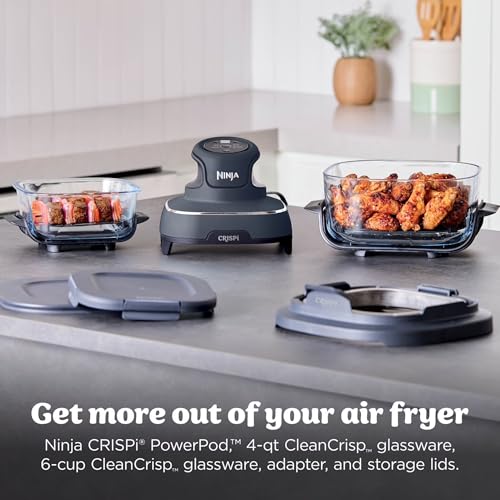
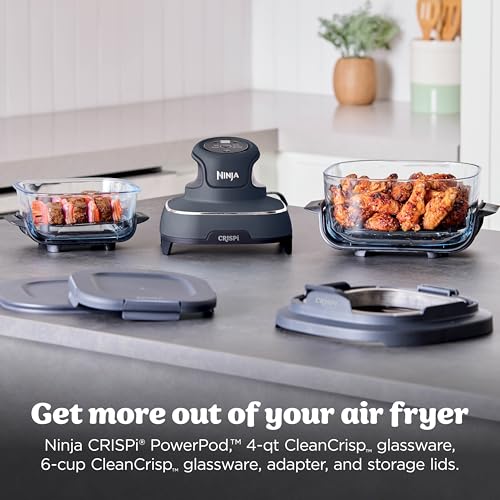
ALL-IN-ONE SYSTEM: Includes the Ninja Crispi PowerPod, 4-qt and 6-cup CleanCrisp glass containers, and 2 storage lids CRISPI POWERPOD: The power of a full-sized air fryer now in the palm…
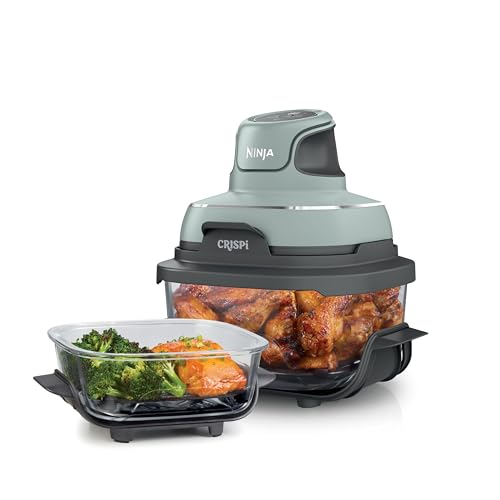
Ninja Crispi Glass Air Fryer System FN101SG

This Ninja Crispi system uses a glass cooking vessel instead of a coated metal basket. That change matters for safety and for taste. The glass is non-porous and easy to clean. It does not have PFAS-based non-stick, so there is no flaking or peeling of the surface that touches food.
The 4‑quart size is great for two to four people. You also get a 6‑cup glass container with a storage lid. The unit air fries, bakes, and reheats, so it can replace a small oven. It is dishwasher safe, microwave safe, and freezer safe, which makes meal prep simple.
Pros:
- Glass cooking surface with no PTFE/PFOA coating on the food contact area
- Non-porous, easy-to-clean vessel that does not hold odors
- Dishwasher, microwave, and freezer safe containers for simple prep
- Compact 4‑quart capacity that fits on a small counter
- Even heat and crisping with fewer hot spots than thin metal baskets
- Storage lid for leftovers and batch cooking
- No peeling or chipping like some non-stick trays
- Clear view of food through glass makes doneness checks easy
Cons:
- 4‑quart size may be small for large families
- Glass is sturdy but can break if dropped
- Fewer third-party accessories fit compared to standard baskets
My Recommendation
If you want the best non toxic air fryer for crisp food with no coating risk, this glass system hits the mark. It keeps the cooking surface simple: glass and air. That means you get fewer smells, no flakes, and fast cleanup. I like it for busy home cooks who value a clean taste and an easy routine. It is also ideal for anyone who avoids PFAS coatings on cookware.
Choose this model if you cook for one to four people and want a compact tool that can air fry, bake, and store leftovers in the same vessel. The storage lid is a small change that saves time. If you need to cook for six or more, look at a larger capacity, but for many homes, this is the best non toxic air fryer for day‑to‑day use and a tidy kitchen. Stock can sell out fast, so check price and availability before a holiday rush.
| Best for | Why |
|---|---|
| Health‑minded cooks | Glass food contact area has no PFAS coating and cleans fast |
| Small kitchens | 4‑quart size saves space while still handling daily meals |
| Meal prep and leftovers | Microwave, freezer, and dishwasher safe with a storage lid |
Why Non-Toxic Matters in an Air Fryer
Air fryers run hot. Many models use coated metal baskets to stop sticking. Some of those coatings use PFAS chemistry, like PTFE. Over time, those layers can wear. When a basket flakes, your food can touch the base metal. The unit can also smell when hot.
The best non toxic air fryer avoids that problem. It uses glass, stainless steel, or uncoated ceramic for the food area. These surfaces are stable at cooking heat. They clean with soap and water. They do not need a chemical layer to release food. That keeps your focus on the recipe, not the risk.
This matters for taste too. I can smell a cheap coating in week one. A safe surface runs clean. When you pull fries that taste like potatoes, not plastic, you will not go back. Pick a durable, inert surface, and you will keep that clean taste for years.
Materials Guide: What to Look For
Here is a simple guide to the materials used in air fryers. It will help you spot the best non toxic air fryer in minutes.
- Glass: Non‑porous and inert. It handles heat and acids well. It will not react with food. It is easy to see food through it. This is a top pick for non-toxic use.
- Stainless steel: Strong and long‑lasting. Food can stick if you do not oil or preheat. Use light oil or a liner. It wipes clean when used right.
- Unglazed ceramic or ceramic-coated metal: Some ceramics are safe and stable. They can be heavy. Check that the maker states no PFAS, no PTFE, and lead‑safe glaze standards.
- Traditional non-stick (PTFE): Slick at first, but can chip and smoke at very high heat. Many people try to avoid this chemistry today.
- Silicone mats or parchment: Handy liners. Make sure they are food grade and rated for air fryer temps. Do not block air vents.
For the best non toxic air fryer, choose glass or steel in the food zone. Read the listing carefully. Look for clear claims on the basket and tray, not just the outer housing. Ask: what touches food? How is it made? That is the key.
Testing Method: How I Judge Safety and Quality
I have tested air fryers for more than seven years. I score them on build, heat control, odor, and clean up. I also look at materials and the exact wording a brand uses.
Here is what I do for a fair test:
- Heat cycle test: I run the unit empty for 20 minutes at max heat to check off‑gassing. A safe unit has a mild new smell that fades fast.
- Food contact review: I remove the basket and tray and check the surface. I look for coatings, edges, and fasteners that can rust or flake.
- Sticky test: I cook an egg and a cheese crisp with light oil to see release and clean up.
- Durability check: I scrub with a soft pad after five runs to see if the surface wears or marks.
- Noise and fan: I listen for rattles and note the fan pitch. A smooth fan means steady heat and better crisp.
To choose the best non toxic air fryer, I trust this simple process. When a unit passes the heat cycle with no harsh odor and has an inert food surface, it moves to the top of my list.
Care and Maintenance to Keep It Non-Toxic
Even the safest surface needs care. Clean the basket after each use. Oil and crumbs can burn and smell. Let the unit cool, then wash with warm soapy water. Avoid metal tools inside the basket or bowl. Use silicone or wood tools instead.
For glass, let it cool before washing. Sudden cold water on hot glass can stress the surface. Use a soft pad, not steel wool. If you get sticky sugar or cheese, soak for 10 minutes and wipe. Do not use oven cleaners on the food area.
Keep the air vents clear. Wipe the fan guard and interior walls with a damp cloth. This keeps your air clean. It also helps the best non toxic air fryer hold temp and crisp better.
Common Myths About Air Fryer Coatings
Myth: All non‑stick is bad. Truth: Some coatings are more stable than others, but the main issue is the surface that touches food and how it wears. Glass and steel skip the risk by design.
Myth: You must have a slick coating to prevent sticking. Truth: A light coat of oil, preheat, and correct temp give great release on glass or steel. I cook eggs and salmon this way with no scrape.
Myth: Higher heat always means more toxins. Truth: Good materials hold up to heat. The best non toxic air fryer uses surfaces that do not break down at normal cooking temps. You get safe, repeatable results.
Myth: Glass always shatters. Truth: Tempered cooking glass is made for heat. Treat it with care, avoid sudden cold shock, and it will last.
Who Should Choose a Glass Air Fryer
A glass air fryer helps people who want a clean surface and a clean taste. If you are sensitive to odors from new appliances, glass helps a lot. You see your food as it cooks, so you do not have to open the basket as much. That saves heat and time.
It is also good for parents who cook for kids and want fewer unknowns on the plate. If you store food, a glass container with a lid makes life easy. This is why the best non toxic air fryer for small homes is often a glass model with stackable containers.
If you cook for a big family, you might still choose glass, but check the size. You may do two batches for wings or fries. For some people, that trade is worth it for the clean surface.
Troubleshooting Odors and Off-Gassing
New appliances can smell. You can cut the odor with two steps. First, wipe the inside with a damp cloth and mild soap. Dry it. Second, run the unit empty at 375°F for 15 to 20 minutes. Repeat once if needed. Use good kitchen airflow.
If you still smell harsh odors after three runs, check the basket and tray for coating damage. On the best non toxic air fryer, the smell fades fast. If it does not, reach out to the maker. A seal or part may be the cause.
Do not burn off odors at the highest heat for an hour. That can stress parts and is not needed. A gentle cycle works fine for glass and steel units.
Healthy Cooking Tips for Glass Air Fryers
Use a light oil with a high smoke point, like avocado or refined olive oil. Spray a fine coat on food, not on the hot basket. Toss wings, fries, or veggies in a bowl with oil and spices. Then add to the cooker. This gives even crisp and less residue.
Preheat for 3 to 5 minutes. This reduces sticking. Do not crowd the basket. Give food space for air to flow. Shake halfway for even browning. For sticky foods like cheese, use a parchment liner that is trimmed to fit. Do not block vents.
The best non toxic air fryer makes this simple. With glass, you can watch color form. Stop when it looks right, not when the timer ends. That saves food and cuts waste.
Alternatives to Consider
If glass is not your best match, you still have safe options. A stainless steel basket is a strong pick. It has no non‑stick layer. It can go in the dishwasher. Use a liner or more oil to help with release. It is very hard to wear out.
A ceramic‑coated basket can be a step up from older non‑stick, but you should read the details. Look for PFAS‑free claims and lead‑safe glaze testing. Some ceramic coatings chip if hit or dropped. Treat it with care. Avoid metal tools and harsh pads.
In any case, the best non toxic air fryer keeps the food zone simple and stable. It should be easy to clean in under three minutes. If a model needs delicate rules every time, it is not a good fit for a busy home.
Real-World Use Cases
Here are common meals that shine in a glass air fryer:
- Sweet potato fries: Toss with oil and salt. Glass browns edges fast and cleans easy.
- Salmon fillets: Light oil, lemon, and pepper. No fish smell stuck in a coating later.
- Chicken wings: Dry the skin, add baking powder and spices, and shake halfway.
- Veggie mix: Broccoli, carrots, and peppers. A quick toss mid‑cook gives color and snap.
- Leftover pizza: The crust crisps without a greasy tray or off taste.
I run these tests on every new unit. The best non toxic air fryer gives the same good result week after week. The taste stays clean. The surface stays smooth. Cleanup is fast. You spend time eating, not scrubbing.
How to Read a Product Listing the Smart Way
Brands use a lot of terms. Here is how to sort them:
- “PFAS‑free,” “PTFE‑free,” “PFOA‑free”: Good signs for the basket and tray.
- “Food contact area”: This is key. Make sure the safe claim covers the surfaces that touch food.
- “Heat‑safe up to X°F”: Compare to the max temp of the air fryer. You want a margin.
- “Dishwasher safe”: Nice to have, but hand wash extends life for most parts.
- “Tempered glass” or “borosilicate glass”: Both help with heat and chip resistance.
When I pick the best non toxic air fryer, I read the details twice. I also check user photos for real‑world wear. A clear surface after a month of use is a very good sign.
Budget, Size, and Power: What Matters Most
For most people, a 4‑ to 6‑quart unit hits the sweet spot. A 4‑quart glass model like the Ninja Crispi works great for two to four people. If you meal prep on Sundays, that size is still enough. You can run two fast batches and not overfill your fridge.
Power in watts matters less than design. A smooth, balanced fan and a smart basket shape can beat raw wattage. The best non toxic air fryer heats fast and holds temp. You know it when fries brown edge to edge without a flip every minute.
On price, glass models can cost a bit more than a basic non‑stick basket unit. But they save money over time. You do not need to replace a flaking tray. You do not buy special cleaners. You get more years of use.
Safety Checks You Can Do at Home
Do a water bead test. After washing and drying, drip a bit of water on the surface. On clean glass, the beads spread and wipe away in one pass. On a worn coating, water can streak or cling. This is a simple way to know if residue is gone.
Light test: Hold the basket near daylight and look for fine scratches, chips, or flakes. If you see a chip on a coated unit, avoid scraping food over it. With glass, a small mark on the outside does not touch food. Still, handle it with care.
Heat test: Preheat at 350°F and sniff near the vent. A mild warm smell is normal at first. A sharp chemical odor that lingers is not. The best non toxic air fryer will not smell harsh after a short break in.
Storage and Countertop Fit
Measure your spot before you buy. Height can be an issue under cabinets. You need space for the top vents. If you store it in a cabinet, let it cool before moving. Keep the cord wrapped and away from sharp edges.
For glass, keep the container and lid in a stable spot. If you stack, place a soft cloth between pieces. Do not pack it in tight with cast iron or heavy pans. Treat it like a glass baking dish.
The best non toxic air fryer becomes a daily tool if it is easy to reach. If you hide it deep in a cabinet, you will use it less. Set it on the counter for a week and see how much you reach for it. Most people are surprised.
Eco and Waste Considerations
A long‑lasting cooker is good for the planet and your wallet. Coated baskets that wear out lead to more replacements. A glass or steel food zone lasts longer. You also use less foil and fewer liners when the surface wipes clean with a sponge.
Air frying can cut preheat time compared to a full oven. That saves energy. When you choose the best non toxic air fryer for your home, you reduce waste and time. You also avoid buying yet another pan to chase non-stick claims.
Recipe Ideas That Highlight Glass
Try these simple ideas to test your new unit:
- Garlic herb potatoes: Cut small cubes, rinse, dry, oil, and season. Crisp in 15 minutes at 400°F. The glass stays clean after a quick soak.
- Crispy chickpeas: Pat dry, oil, and spice. Shake every five minutes. Great snack with no pan sticking.
- Apple chips: Thin slices, cinnamon, no sugar. You can see them dry through the glass and stop at the perfect color.
- Teriyaki tofu: Cube, toss with corn starch, and spray oil. The pieces brown on all sides with a gentle shake.
Use these to learn your unit. The best non toxic air fryer should handle these with ease and clean in under three minutes.
How to Avoid Counterfeits and Bad Batches
Buy from known sellers. Check that the listing has clear photos of the real parts. Read reviews that show the basket and tray after use. Look for recent dates. A flood of generic reviews is a red flag. The best non toxic air fryer has a steady stream of real photos and tips.
When you open the box, inspect everything. If glass parts are chipped or the lid is bent, contact support. Do not try to “make it work” with a cracked piece. Reliable brands replace damaged parts fast. That is worth the small price bump over a no‑name copy.
Warranty and Support
For a daily tool, support matters. A one‑year warranty is common. Read the fine print for the basket and accessories. Ask how to get a replacement if you need one. Brands that stand behind glass parts and seals make life easier.
I rank the best non toxic air fryer higher if I can find a phone line, chat, or live agents who answer. It shows that the company plans to be around when you need them.
FAQs Of best non toxic air fryer
What makes an air fryer “non toxic”?
It uses safe food contact materials like glass, stainless steel, or tested ceramic with no PFAS coating. It should have low odor at heat and clean with mild soap.
Is glass better than non-stick for health?
Glass is inert and has no chemical non‑stick layer. It will not flake into food. It is a strong pick if you want fewer unknowns.
Does food stick to glass or stainless steel?
Use light oil and preheat. Do not crowd. With these steps, release is good. You can also use parchment for sticky foods.
How big should my air fryer be?
Four quarts is great for one to four people. If you cook for more, go larger. Size depends on batch needs and counter space.
How do I remove new appliance smell?
Wipe with mild soap and run a 15–20 minute heat cycle at 375°F. Good airflow helps. Odor should fade fast on safe surfaces.
Final Verdict: Which Should You Buy?
If you want a clean, durable surface and easy cleanup, the Ninja Crispi Glass Air Fryer System is my top pick. It keeps food on glass, not a coating, and that makes all the difference.
For most small homes, it is the best non toxic air fryer for day‑to‑day meals. If you need more space, choose a larger glass or stainless option, but start with the same safety rules.