A ghost kitchen is a delivery-only restaurant that prepares food without a dining room.
If you want a clear, expert look at what is a ghost kitchen, you’re in the right place. I’ve helped launch and audit delivery-only brands since 2020. In this guide, I explain how ghost kitchens work, who they fit, how much they cost, and how to start one with fewer mistakes. Stick with me, and you’ll walk away with answers you can use today.
:max_bytes(150000):strip_icc()/Ghost-Kitchens-Walmart-FT-BLOG0921-f547702d77384fec9a29a6325fc58e57.jpg)
What Is a Ghost Kitchen?
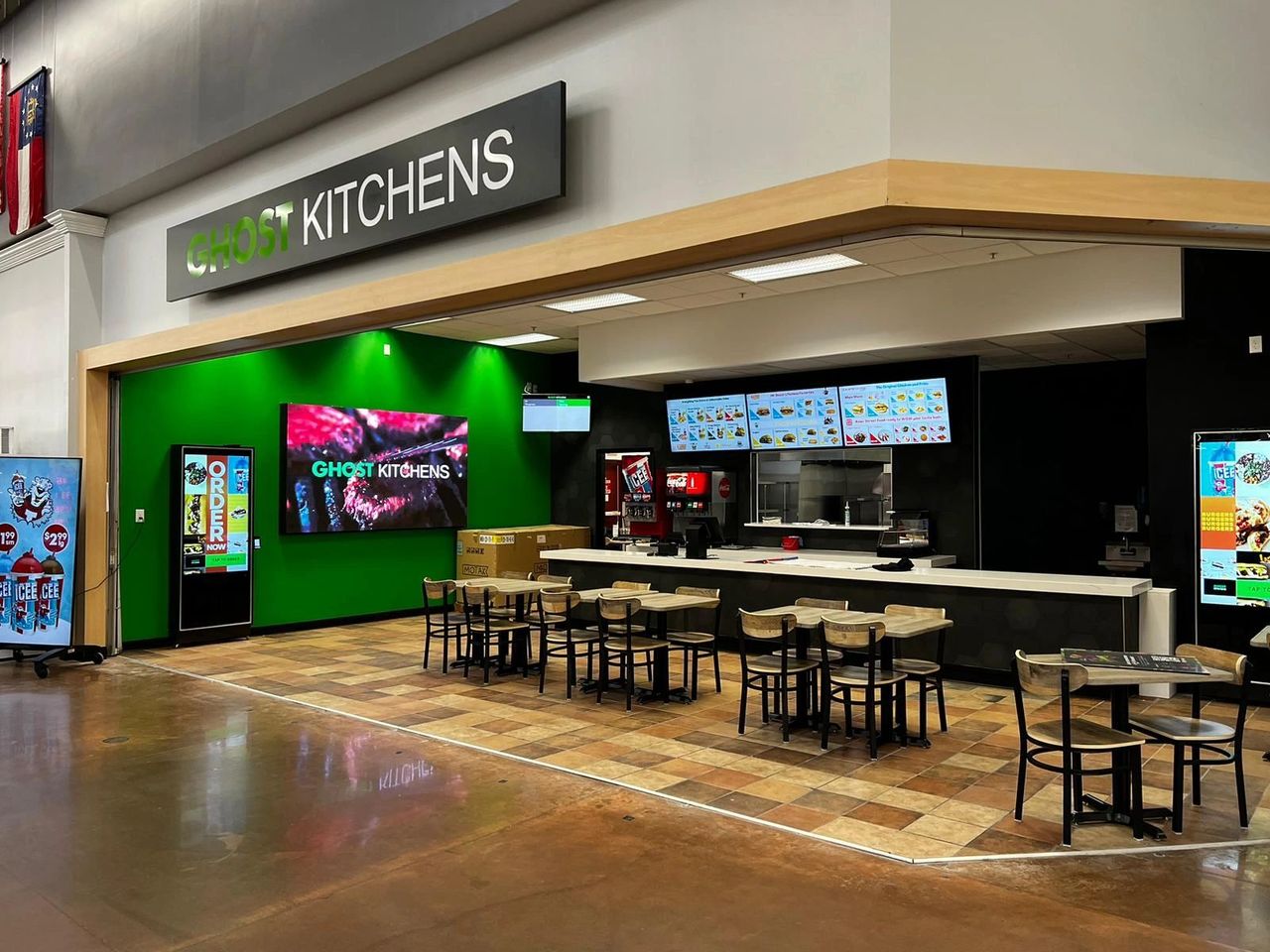
A ghost kitchen is a professional kitchen built for delivery and pickup. It has no dining room and often shares space with other brands. Orders come in online. Food goes out by couriers. Many use the terms cloud kitchen, virtual kitchen, and dark kitchen. They all point to the same core idea.
If you ask what is a ghost kitchen from a business angle, think flexible real estate plus tech. You plug into delivery apps. You optimize your menu for speed, quality, and margin. You scale by adding more brands or more locations, not more tables.
Key traits you will see:
- Online-only storefront with menus on delivery apps and a website
- Shared or hidden address in low-rent zones or inside another restaurant
- Staff focused on speed, consistency, and packaging
- Tech stack for orders, routing, and data
Use cases include new brands testing demand, restaurants adding revenue, CPG companies trialing hot food, and chefs starting lean. If you want to explain what is a ghost kitchen to your team, say it is a digital-first restaurant that lives on apps, not sidewalks.

How Ghost Kitchens Work
Orders flow through delivery apps or a direct web link. A central tablet or POS collects them. A kitchen display system fires the tickets by station. Cook times and courier arrival windows sync up. Food is packed, sealed, and handed to the driver.
The cycle:
- Discovery on delivery marketplaces
- Smart menus that match search terms and local demand
- Batching tickets to cut wait time
- Heat-safe and spill-proof packaging
- Courier pickup with clear labeling and order control
When people ask what is a ghost kitchen in practice, it is a system. It links demand data, prep speed, packaging science, and last-mile logistics. The best teams track on-time rates, prep time, and ratings hour by hour.

Types of Ghost Kitchens
Understanding the models helps you decide fit and risk.
Independent ghost kitchen
One brand. One space. Full control. Higher setup work. Good for strong, focused concepts.
Multi-brand ghost kitchen
One kitchen runs several brands. Shared staff and inventory. Helps fill demand by daypart and cuisine.
Commissary or shared facility
You rent a station and shared walk-ins. Fast to launch. You trade privacy for speed.
Host kitchen
A dine-in restaurant runs a side brand from its line. Great use of idle hours and sunk labor.
Plug-and-play pods
Vented, modular kitchens in parking lots or hubs. Quick build. Limited space but flexible.
Each model can answer what is a ghost kitchen from a different lens, yet all center on delivery-first operations.
Benefits and Drawbacks
Pros:
- Lower rent than main-street restaurants
– Faster launch with less build-out - Data-led menus and prices
- Easy to test new brands or cuisines
- Scale across zones without big leases
Cons:
- Heavy reliance on delivery apps and fees
- Harder brand trust without street presence
- Tight margins if you ignore packaging and speed
- Quality risk during travel time
- Local rules vary and can add friction
These pros and cons clarify what is a ghost kitchen for owners and investors. It is a trade between speed and control.
Costs and Unit Economics
Startup costs can be lean, but details matter.
Common setup costs:
- Security deposit and first month’s rent
- Smallware, shelving, and safety gear
- Branded packaging and labels
- Licenses, permits, and insurance
- Initial food and cleaning supplies
Monthly costs:
- Rent or station fee
- Labor and payroll taxes
- Food and packaging
- Delivery app commissions and promos
- Utilities, software, and repairs
Simple unit math:
- Average order value: 22 to 35 dollars
- Food and packaging cost: 28 to 34 percent
- Labor: 20 to 28 percent depending on volume
- App fees and promos: 18 to 28 percent unless you shift to direct orders
- Net margin target after volume: 8 to 15 percent
If you are testing what is a ghost kitchen in your city, build a weekly P&L. Track prep time, order mix, and refund rate. Small gains on batching, photos, and upsells can move margin fast.
Tech Stack and Operations
A solid stack turns chaos into flow.
Core tools:
- POS and aggregator hub to unify app orders
- Kitchen display system for pacing and batching
- Inventory and recipe costing tools
- Label printers with allergens and courier codes
- Dispatch or aggregator logistics with live tracking
- Reviews and alert system to recover orders fast
Best practices:
- Throttle orders when couriers are late
- Sync cook times to travel distance and weather
- Use menu tags people search for, like spicy, gluten-free, or family meal
- Run weekly A/B tests on photos, titles, and bundles
This is the backbone of what is a ghost kitchen at scale. Data plus discipline beats guesswork.

Marketing and Branding for Ghost Kitchens
Brand trust is the moat. You earn it online.
High-impact moves:
- Hero photos that match what arrives at the door
- Clear, craveable names and short menu descriptions
- Bundles for families and late-night shareables
- Seasonal drops to spark repeat orders
- Loyalty on your own site with pickup discounts
Channel mix:
- Use marketplaces to acquire new guests
- Drive repeat orders to your site with QR codes and inserts
- Grow local search with a Google Business Profile for pickup
- Partner with offices and events for batch orders
Many ask what is a ghost kitchen without a storefront. It is a brand you can taste and rate, not a sign you walk by. Your packaging, speed, and reviews become your street.
Legal, Health, and Compliance
Rules still apply, even if guests never dine in.
Checklist:
- Food service permits and health inspections
- Zoning for commercial kitchen use
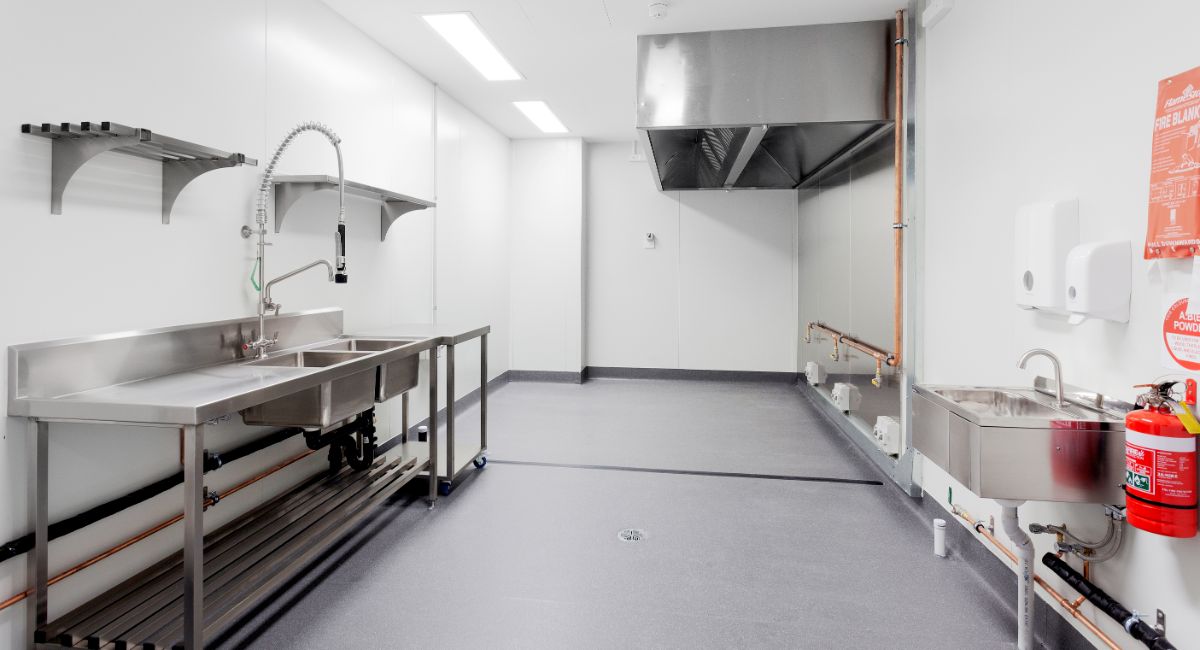
- Grease, hood, and fire suppression where needed
- Allergen labels and tamper-evident seals
- Workers’ comp and product liability insurance
- ADA compliance for pickup areas and digital access
Document your HACCP plan. Train staff on temps and holds. Track batch logs. A safe system is part of what is a ghost kitchen customers can trust.

Trends and Future Outlook
The space keeps evolving.
Trends to watch:
- AI demand forecasts to cut waste and waits
- Micro-fulfillment hubs closer to dense blocks
- Grocery and convenience chains adding hot-food ghost lines
- More host kitchens in hotels and stadiums
- Packaging that keeps fries crisp and bowls warm
As consumers ask what is a ghost kitchen in 2025 and beyond, the answer will lean into speed, quality, and less friction. Winners will own direct demand, not just rent it from apps.
How to Start a Ghost Kitchen: Step-by-Step
Use this simple roadmap.
- Define your niche. Pick a cuisine that travels well and has repeat appeal.
- Validate demand. Scan marketplace search terms and top sellers in your zone.
- Choose your model. Shared facility, host kitchen, or stand-alone.
- Build a lean menu. Focus on 12 to 18 items with high margin and speed.
- Set up your tech. POS hub, KDS, labels, and inventory control.
- Lock in packaging. Test for heat, moisture, and travel time.
- Price and promote. Set margins first, then add bundles and upsells.
- Train for speed. Track prep time and on-time ready rate.
- Launch soft. Run limited hours for a week. Fix bottlenecks.
- Scale smart. Add dayparts, then a second brand or location.
If someone asks your team what is a ghost kitchen playbook, point to this list and start at step one.
Real-World Lessons and Case Notes
From my own projects, three lessons stand out.
- Short menus win. We cut a 42-item menu to 16. Average prep time fell by 28 percent, and ratings rose.
- Photos sell more than promos. New hero photos lifted conversion by 18 percent with zero discount cost.
- Delivery time beats novelty. A five-minute faster ready time drove more repeat orders than a new item.
These moments taught me that what is a ghost kitchen at its core is a system. It rewards focus, data, and care for the guest who never sees your line.
Frequently Asked Questions of what is a ghost kitchen
What is a ghost kitchen and how is it different from a restaurant?
A ghost kitchen is delivery-only and has no dining room. A traditional restaurant serves guests on-site and invests in front-of-house space.
Are ghost kitchens legal in residential areas?
Most need commercial zoning and permits. Always check local rules before signing a lease or renting a station.
Do ghost kitchens only use third-party apps?
No. Many add direct online ordering with pickup. This lowers fees and builds repeat customers.
What foods travel best from a ghost kitchen?
Bowls, wraps, wings, tacos, and saucy noodles do well. Fried items need vented packaging and short delivery times.
How much does it cost to start a ghost kitchen?
Shared kitchens can launch for a few thousand dollars. Private builds can run much higher depending on equipment and hoods.
Conclusion
Ghost kitchens help brands reach customers fast without the cost of dining rooms. When you understand what is a ghost kitchen, you can design menus, pricing, and systems that protect margins and boost guest trust. Start small, track the right numbers, and improve week by week.
Ready to move from idea to launch? Download a simple P&L template, subscribe for more playbooks, and leave a comment with your concept and city.