Wine stored in a regular fridge or on a kitchen counter ages faster and less predictably than wine kept in a dedicated cooler.
A wine fridge holds a steady temperature and humidity level that a regular refrigerator’s constant cold, dry air can’t match. Here are five wine coolers worth buying, from a compact countertop model to a large upright for a real collection.
Wine Coolers Worth Buying
Wine Enthusiast 24-Bottle Compressor Wine Cooler

A compressor-based cooler holds temperature more precisely and recovers faster after the door opens than the thermoelectric coolers common at this size. Twenty-four bottles is enough for a genuine collection without needing a full-size cellar.
Ivation 12-Bottle Compressor Wine Cooler with Lock
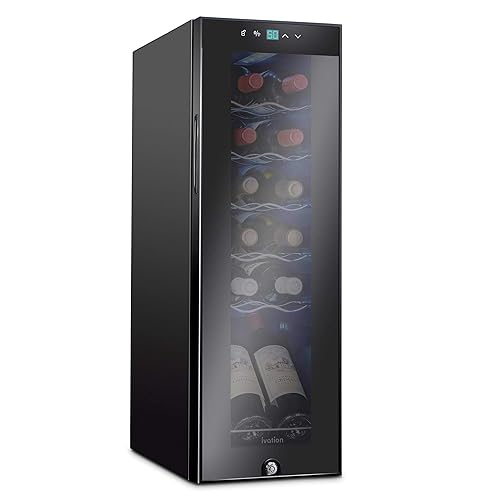
Small enough for a kitchen counter or bar cart but still compressor-cooled rather than thermoelectric, so it holds up in a warmer room. The UV-protected glass door and lock are genuinely useful extras if the cooler is going somewhere with kids around.
BLACK+DECKER 8-Bottle Thermoelectric Wine Cellar

The most affordable way to get wine off the counter and into a temperature-controlled space, from a brand most people already trust for other small appliances. Thermoelectric cooling runs quieter than a compressor, which matters if it’s going in a bedroom or living room.
Koolatron Urban Series 12-Bottle Dual Zone Wine Cooler

Dual-zone cooling lets you store reds and whites at their own ideal temperatures in the same unit, which single-zone coolers can’t do. A practical middle-ground pick for anyone who regularly drinks both.
Wine Enthusiast 33-Bottle Compressor Wine Cooler

For anyone who’s outgrown a 12-bottle cooler within a year, this 33-bottle upright skips that problem entirely. Still a freestanding unit that fits under most counters, not a built-in that requires ventilation clearance.
What to Look for in a Wine Cooler
Compressor coolers hold a steady temperature better and work in warmer rooms, while thermoelectric coolers run quieter and vibrate less — which matters more for long-term storage than for wine you’ll drink within a few weeks.
Single-zone coolers keep everything at one temperature, which is fine if you mostly drink one type of wine. Dual-zone coolers split the cabinet into two temperature ranges, useful if your collection is a genuine mix of reds and whites.
UV-blocking glass doors matter more than people expect — direct light exposure degrades wine over time even through a closed door, so a solid or UV-protected door is worth prioritizing over a fully clear one if the cooler will sit near a window.
For the actual temperature and humidity ranges to aim for depending on what you’re storing, Wine Folly has a clear breakdown by wine type. If bottle storage is only part of what you need cooled, a mini drink fridge covers cans and mixers a wine cooler isn’t built for.
FAQs
What temperature should a wine cooler be set to?
Most wine is best stored between 45°F and 65°F, with 55°F often cited as the all-around sweet spot for a mixed collection. Serving temperature is different and lower for whites, but that adjustment happens right before drinking, not in long-term storage.
Do I need a dual-zone wine cooler?
Only if you regularly store both reds and whites long-term and want each at its own ideal temperature. If your collection leans heavily one way, a single-zone cooler set to the right temperature for that type works just as well and usually costs less.
How many bottles should I plan for?
Buy for where your collection will be in a year or two, not where it is today — most people who buy a small cooler outgrow it within the first year. A 12 to 18-bottle cooler is a safer starting point than an 8-bottle model for anyone who plans to keep buying wine.
Final Thoughts
Start with the BLACK+DECKER or Ivation if you’re testing whether you’ll actually use a wine cooler, or go straight to the Wine Enthusiast 33-bottle if you already know your collection is going to keep growing.