Avoid overcrowding, wrong temps, no preheat, oily baskets, and poor cleanup.
Picture this: You pop in frozen fries, crank the dial, and walk away. The fries come out pale and soggy. The basket is a greasy mess. The kitchen smells a bit smoky. If that sounds familiar, you are not alone. I’ve tested air fryers from compact 2-quart units to family-size dual baskets. The biggest wins come from dodging simple slip-ups. In this guide, I show you the common air fryer mistakes to avoid, how to fix them fast, and the one low-cost accessory that saves cleanup time and boosts crisp results. Let’s turn your air fryer into your favorite weeknight tool.
8-Inch Air Fryer Paper Liners (125-Pack)
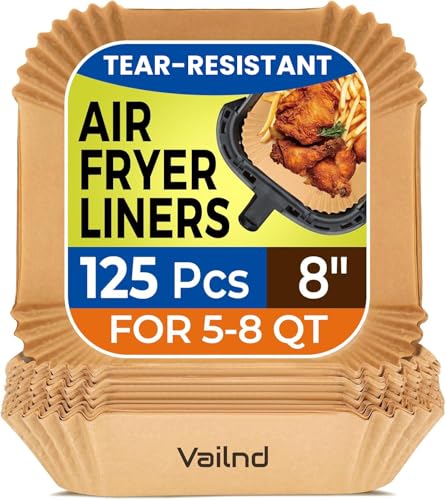
These square parchment liners keep your basket clean and your food from sticking. They fit most 7–8 inch square baskets and round ones with similar area. The non-stick surface helps fries, wings, and veggies release cleanly. That means more crisp texture and fewer bits stuck to the grate.
The paper is thick enough to reduce tearing but still allow airflow through side gaps. I saw less smoking during fatty cooks because drips landed on the liner and not the hot base. The bleach-free claim is a plus for daily use. Toss the liner after cooking and skip a long scrub session.
Pros:
- Cuts basket cleanup time to near zero
- Helps prevent sticking without extra oil
- Reduces smoke during fatty cooks like wings or sausages
- Works in air fryers and microwaves for reheats
- Bleach-free paper for peace of mind
Cons:
- Not for preheating empty (paper can lift and scorch)
- May block some airflow if fully covered edge-to-edge
- Single-use adds a small recurring cost
My Recommendation
If you hate scrubbing baked-on grease, these liners earn a spot in your drawer. They are best for quick weeknight meals and anyone who cooks wings, fries, or breaded foods often. They help you avoid several common air fryer mistakes to avoid, like over-oiling, stuck coatings, and smoky residue. Just place food on the liner, leave side gaps open, and never preheat with only paper inside.
| Best for | Why |
|---|---|
| Busy home cooks | Saves cleanup time and keeps baskets looking new |
| Sticky or breaded foods | Prevents coatings from welding to the grate |
| Reducing smoke | Catches drips to cut burnt grease smells |
Common Air Fryer Mistakes to Avoid
Air fryers can turn out crisp food fast. They can also disappoint if you skip a few basics. I have tested dozens of baskets from 2-quart to 10-quart. The same patterns hold across sizes, brands, and wattage. Here are the common air fryer mistakes to avoid and the easy fixes that work every time.
1) Overcrowding the basket
Too much food blocks hot air. Steam builds and you get soggy results. Fries and nuggets need space to crisp. Aim for a single, loose layer. Stack parts can work for wings, but leave gaps.
Solution: Cook in batches. Or step up to a larger basket for family meals. Shake mid-cook to expose wet spots. This one fix solves more issues than any other. It tops my list of common air fryer mistakes to avoid.
2) Skipping preheat
A warm chamber boosts browning. It sets the crust fast. Frozen foods benefit the most. So do breaded snacks.
Solution: Preheat 3–5 minutes. Most modern units hit set temp fast. If you cannot preheat, add 2–3 minutes to the first cook. Watch the color in the last few minutes.
3) Using too much oil
Oil helps color and crunch. Too much oil makes limp food. It also smokes and pools in the base. Aerosol sprays can harm nonstick over time.
Solution: Toss food with 1–2 teaspoons of high-smoke-point oil. Use a refillable pump mister if you want a fine coat. Avoid aerosol propellant sprays on nonstick baskets. This is one of the quiet common air fryer mistakes to avoid.
4) Wrong temperature or time
High heat sounds right for crisp food. But too high burns the outside. The inside stays underdone. Low heat dries food before it browns.
Solution: Start at 360–380°F for most items. Go up to 400°F in the last few minutes. Use a quick read thermometer for meat. 165°F for poultry, 145°F for pork, and 145°F with rest for beef as guidance. Crisp is about timing, not only temp.
5) Not shaking or flipping
Air flow is not magic. The bottom still needs a flip. Crumbs and fat settle. One side may brown faster.
Solution: Shake or flip at the halfway mark. For tender items, use tongs. For fries, a strong shake works. Some models remind you to shake. If yours does not, set a timer.
6) Using wet batters
Wet batters drip and glue to the grate. You end up with a mess. The coating cooks before it sets.
Solution: Use dry breading or dredges. Think flour, egg wash, then crumbs. Or use tempura-style batter in a shallow pan accessory. Mist lightly with oil for color.
7) Not drying your food
Moisture fights crisping. Patting dry is a fast fix. Frozen seafood and veggies shed water as they thaw.
Solution: Pat food dry with paper towels. Trim extra fat on chicken skin to reduce splatter. Then season and cook. This simple step avoids many common air fryer mistakes to avoid.
8) Uneven cuts
Mixed sizes cook unevenly. Small pieces overcook before large pieces finish. Texture suffers.
Solution: Cut items to the same size. Keep pieces to 1–1.5 inches for even browning. If sizes must vary, start larger pieces first. Add smaller pieces later.
9) Misusing parchment liners
Parchment helps. But wrong placement can cause scorching. Paper can lift and hit the heater. It can also block air if it covers the full base.
Solution: Never preheat empty paper. Place food on top to hold it down. Leave side vents open. Use pre-cut liners, like the 8-inch squares above, sized to your basket.
10) Blocking vents and foiling the base
Foil can stop air from moving. It can trap heat and warp parts. It can also reflect heat and char food.
Solution: Use foil only to tent delicate tops. Do not wrap the base. Choose perforated liners if you want easy cleanup. Keep vents open at all times.
11) Ignoring the drip tray
Fat that hits a hot base smokes. It smells and sticks. It can trigger your alarm.
Solution: Use a liner or drip tray for fatty foods. Clean the tray after each cook. This lowers smoke and makes flavor clean. It is one of the most ignored common air fryer mistakes to avoid.
12) Not cleaning after each cook
Residue builds fast. It hurts nonstick life. It also makes the next meal taste off.
Solution: Let the basket cool. Wash with warm soapy water. Use a soft sponge. Never use steel wool. Wipe the heater shield when cool, if your model allows access.
13) Using the wrong oil
Low smoke point oils break down. They smoke and taste bitter. They leave sticky film.
Solution: Use avocado, peanut, refined canola, or light olive oil. Keep it thin. A teaspoon goes far. Store oils in a cool dark place.
14) Not checking doneness
Color can fool you. A brown crust does not mean safe meat. Undercooked poultry is risky.
Solution: Use a digital instant-read thermometer. Check the thickest part. Avoid bones when probing. Trust the temp more than time.
15) Relying only on presets
Presets are guesses. Each unit heats a bit different. Basket size matters. Food load matters.
Solution: Use presets as a start. Watch and learn your unit. Keep notes on your favorite foods. Tweak time and temp to fit your tastes. This habit reduces common air fryer mistakes to avoid.
16) Forgetting to rest meat
Juices need a moment to settle. Cutting too soon makes meat dry. The texture suffers.
Solution: Rest chicken and pork for 3–5 minutes. Rest steak longer if thick. Use that time to plate sides. Your results will taste better.
17) Cooking high-sugar sauces too soon
Sugary sauces burn fast. They blacken before food cooks through. You get bitter notes.
Solution: Add BBQ, teriyaki, or honey glazes in the last 2–4 minutes. Lower the heat slightly. Turn once to coat both sides.
18) Wet marinades and no pat-down
Marinades are great. But wet surfaces steam. Browning stalls.
Solution: Marinate. Then pat dry. Then oil lightly and season. Add sauce near the end if you want shine.
19) Using the wrong accessory
Glass dishes block air. Thick pans slow cooking. Too large pans touch the heating element.
Solution: Use perforated racks and pans made for air fryers. They boost airflow. They also prevent scorching. Check your manual for approved materials.
20) Ignoring the manual
Each model has quirks. Some are not dishwasher safe. Some need a break-in cycle.
Solution: Read the quick start guide. Do the first burn-off at 400°F for 10 minutes if listed. This clears packing oils. It also helps remove new-plastic smells.
21) Not tailoring for frozen foods
Frozen items can cook unevenly. The outside browns before the center warms. Some breading is par-cooked and needs only color.
Solution: Preheat. Use high heat at the end. Shake more than once. Check one piece early to set your timing.
22) Cooking bacon without a plan
Bacon can smoke due to drips. It curls and flies if air is strong. Grease can splatter on the heater.
Solution: Use a liner and set 350°F. Lay strips flat. Check often. Pour out grease between batches. A light spray rack can hold slices flat.
23) Wings without a dry-brine
Wings love dry skin. Water kills crisp. Sauce too early leads to sticking.
Solution: Dry-brine with salt in the fridge for a few hours. Pat dry. Air fry, then toss in sauce after. Finish 2 minutes to set the sauce.
24) Not using a crumb-catching liner for breaded foods
Crumbs fall and burn. The smell lingers. Cleanups drag.
Solution: Use parchment liners like the 8-inch squares. They catch crumbs and fat. Leave space at the sides for airflow. This fix avoids several common air fryer mistakes to avoid at once.
25) Not tasting and seasoning at the end
Salt on wet food dissolves and runs off. You lose flavor. Spices can burn if added too early.
Solution: Season lightly before cooking. Taste and adjust after. Add fragile herbs at the end. Use lemon or vinegar for a bright finish.
26) Over-trusting “oil-free” claims
Air fryers reduce oil. They do not always remove it. A little oil helps browning.
Solution: Use a teaspoon of oil to boost color and crunch. Skip heavy pours. This small step beats many common air fryer mistakes to avoid.
27) Not minding smell carryover
Fish smells linger. Spices do too. The next batch can taste odd.
Solution: Clean after strong cooks. Run a short 400°F cycle empty to vent. Use liners to catch drips that hold odors.
28) Using abrasive tools
Nonstick coatings are tough but not invincible. Steel tools scratch. That shortens basket life.
Solution: Use silicone or wooden tools. Use soft sponges for cleaning. If the coating chips, replace the basket if offered by your brand.
29) Putting the unit under a cabinet with no space
Hot air exits the back or top. Tight spaces trap heat. It can yellow cabinets over time.
Solution: Give 5 inches of clearance on all sides. Pull it forward to cook. Let it cool before moving back.
30) Using extension cords or power strips
Air fryers draw high watts. Power strips can overheat. It is a safety risk.
Solution: Plug into a wall outlet. Check your breaker rating. Keep the cord away from hot surfaces.
31) Neglecting a simple maintenance routine
Grease in the heater area can smoke. Dust in the vents hurts performance. Loose screws can rattle.
Solution: Wipe the interior when cool. Clean the basket each time. Check screws every few months. This care avoids several common air fryer mistakes to avoid.
32) Expecting deep-fryer results
Air fryers mimic. They do not match a true fryer. The texture is light and crisp. It is not the same as a vat of oil.
Solution: Embrace the air-fried style. Boost crunch with a little oil and a cornstarch dredge. Finish high for color.
33) Baking without testing your pan
Some pans block heat. Cakes can look done but have wet centers. Cupcakes can dome and crack.
Solution: Use light-colored pans. Lower temp 25°F for baked goods. Test with a toothpick. Add time in 2-minute steps.
34) Misjudging cheese
Cheese melts fast and runs. It can glue to the grate. It can smoke if exposed to heat too long.
Solution: Use cheese as a late add. Top in the last 1–2 minutes. Use parchment under cheesy items.
35) Ignoring model-specific features
Newer models offer shake alerts, probes, and dual zones. These help a lot. They can fix timing and doneness.
Solution: Learn your alerts and probe settings. Use dual zones to cook sides and mains together. Calibrate your expectations after a few runs.
Pro Tips to Get Restaurant-Level Results
Now that you know the common air fryer mistakes to avoid, here are moves that lift your game. These are easy to apply. They give big returns.
- Dry-brine chicken wings or thighs for better skin.
- Toss fries with a teaspoon of oil and a pinch of cornstarch.
- Preheat 3 minutes, then load fast to hold heat.
- Finish at 400°F for the last 2–4 minutes for color.
- Use parchment liners for sticky food and to reduce smoke.
- Shake twice for loaded baskets: at 40% and 75% through.
- Add sugar sauces late, and drop temp by 10–20°F.
- Rest meat before slicing to keep juices in.
- Taste and finish with fresh herbs, lemon, or a sauce.
Troubleshooting: Fast Fixes for Common Issues
Soggy fries or veggies
Spread in one layer. Preheat. Add a teaspoon of oil. Finish at 400°F for 2–3 minutes.
Smoke during fatty cooks
Use a parchment liner or drip tray. Lower temp to 360–380°F. Clean the base and the heater shield after. Avoid pooling fat.
Dry chicken
Use thighs or split breasts. Brine or marinate. Cook to 160–165°F and rest. Add sauce at the end.
Uneven browning
Shake or flip. Cut pieces to the same size. Reduce load. Use a rack for two-level airflow if your model supports it.
Coating falls off
Pat dry. Flour, egg, then crumbs. Mist lightly with oil. Do not move early. Flip only after the crust sets.
Smart Accessory Picks
You do not need a lot. A few pieces help a bunch. They also help you avoid several common air fryer mistakes to avoid.
- Parchment liners sized to your basket (8-inch squares work for many).
- Instant-read thermometer for meat and fish.
- Perforated pizza pan or crisper tray for flatbreads.
- Silicone-tipped tongs to protect nonstick.
- Spray bottle for high-smoke-point oil.
Cleaning and Care: 5-Minute Routine
Good care keeps flavor fresh and smoke low. It also extends your basket’s life. Here is a simple plan.
- After cooking, let the basket cool for a few minutes.
- Wash the basket and tray with warm, soapy water and a soft sponge.
- Wipe the interior with a damp cloth when cool.
- Check the heater shield and wipe if splatter builds up.
- Dry parts fully before storing to protect the coating.
This routine stops buildup. It prevents one of the biggest common air fryer mistakes to avoid: letting residue cook again and again.
Time and Temperature Benchmarks
Every unit runs a bit different. Use these as a starting point. Adjust by 1–3 minutes as needed.
- Frozen fries: 380°F, 12–16 minutes, shake twice.
- Chicken wings: 380°F for 18–22 minutes, finish 400°F for 2–4 minutes.
- Chicken thighs (bone-in): 375°F, 18–22 minutes to 175°F internal.
- Salmon fillet: 370°F, 8–10 minutes to 125–130°F for medium.
- Pork chops (1-inch): 380°F, 10–12 minutes to 145°F, rest.
- Veggies (broccoli, carrots): 380°F, 8–12 minutes, toss with a bit of oil.
- Shrimp (large): 380°F, 5–7 minutes to pink and firm.
Log your results. Your notes will help you avoid repeat missteps. This is a simple way to beat the most common air fryer mistakes to avoid.
Safety Pointers You Should Not Skip
Safety matters with any high-heat tool. Air fryers run hot and fast. That is the appeal. Keep these in mind.
- Use a wall outlet. Avoid power strips and extension cords.
- Keep 5 inches of space around the unit for airflow.
- Do not let parchment liners float. Place food on the liner.
- Check temp for poultry and pork with a thermometer.
- Let the unit cool before cleaning the interior.
Menu Moves: Quick Wins for Busy Nights
Want ideas that fit the rules above? Try these. They follow the fixes and dodge the pitfalls.
- Crispy chicken thighs: Dry-brine, pat dry, 375°F to 175°F internal, finish 400°F for 2 minutes.
- Garlic-parm fries: Toss with oil and cornstarch, 380°F, shake twice, toss with garlic-parm after.
- BBQ salmon: Season, 370°F, brush sauce in last 2 minutes, do not overcook past 130°F for medium.
- Cauliflower bites: Toss in oil and seasoning, 390°F, 12 minutes, finish with lemon and parsley.
- Toasted sandwiches: Use a perforated tray, 360°F, 6–8 minutes, flip once.
Buying Tips If You Are Upgrading
If your basket is small and you cook for four, upgrade. Size matters for airflow. Power matters for fast recoveries.
- Capacity: 5–6 quarts works for most families.
- Wattage: 1500–1750W heats fast and browns well.
- Controls: Dial models are simple; digital has presets and alerts.
- Cleaning: Dishwasher-safe baskets save time; check manual to be sure.
- Extras: Shake alerts, probe sensors, and dual zones add value.
Even with better gear, the basics rule. The common air fryer mistakes to avoid do not change. Load, temp, and timing still lead the way.
FAQs Of common air fryer mistakes to avoid
Do I need to preheat my air fryer every time?
Preheating helps crisp and color. I preheat for fries, wings, and breaded foods. For gentle reheats, you can skip it.
Why does my air fryer smoke?
Fat hitting a hot base causes smoke. Use a parchment liner or drip tray. Clean the basket and base after fatty cooks.
Can I use foil in my air fryer?
Use foil with care. Do not cover the whole base. Do not block vents. Perforated parchment is safer for easy cleanup.
How much oil should I use?
Use 1–2 teaspoons for most foods. Toss to coat. Avoid aerosol sprays on nonstick surfaces.
What is the biggest mistake beginners make?
Overcrowding. It traps steam and kills crisp. Cook in batches or size up your basket.
Final Verdict: Which Should You Buy?
The 8-inch parchment liners are a smart, cheap upgrade. They cut cleanup, reduce smoke, and keep coatings intact.
If you want fast wins and fewer common air fryer mistakes to avoid, add liners to your setup. They help you cook cleaner and crisper today.